
Sportsmen's Lodge — Studio City
Sportsmen's Lodge is a landmark site on Ventura Boulevard in Studio City, California, with origins dating to the 1880s as a natural artesian trout farm. A gathering place for Old Hollywood — Ronald Reagan and Nancy Davis held their 1952 wedding reception here — it operated as a hotel and event venue until 2019, when the event center was demolished and replaced by the Shops at Sportsmen's Lodge. In 2024 the Los Angeles City Council approved demolition of the 1960s hotel for a 520-unit residential development by Marmol Radziner, expected to complete around 2027.
Before there was a Studio City, there was a fishing hole.
A natural artesian spring at the foot of Coldwater Canyon, where Ventura Boulevard runs today, fed a series of ponds along the edge of the Los Angeles River. In the 1880s, someone had the good sense to stock them with trout. Families drove out on dirt roads from Los Angeles — this was the end of the road, a rural escape — to catch their dinner and have it cooked on the spot. For decades, that was the whole idea.
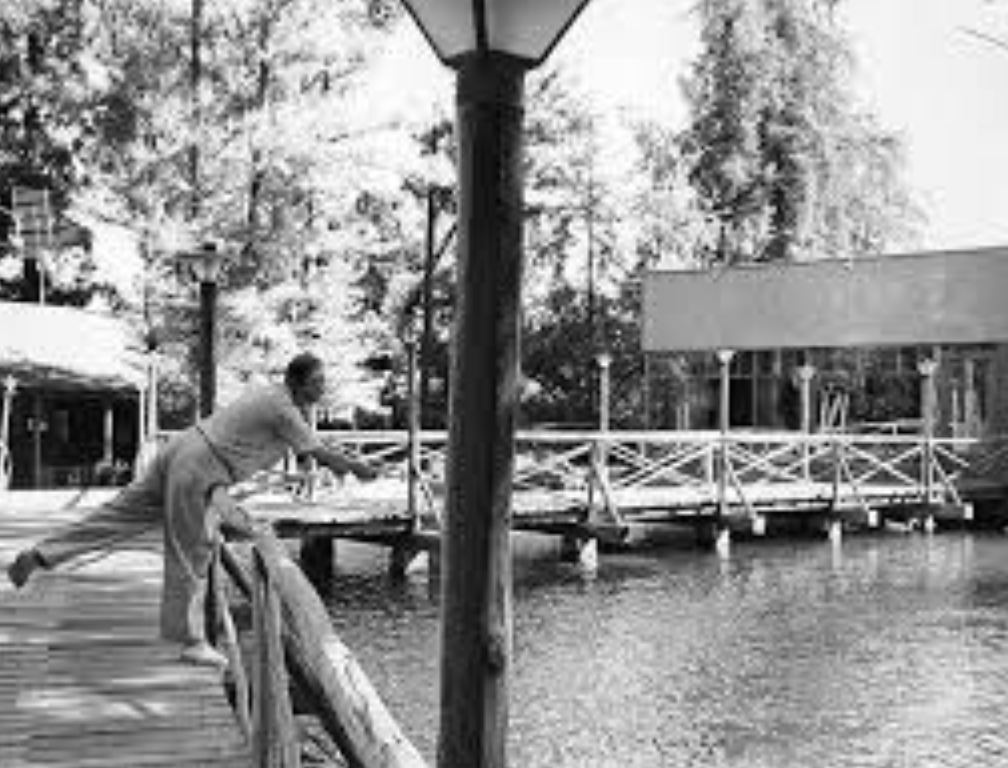
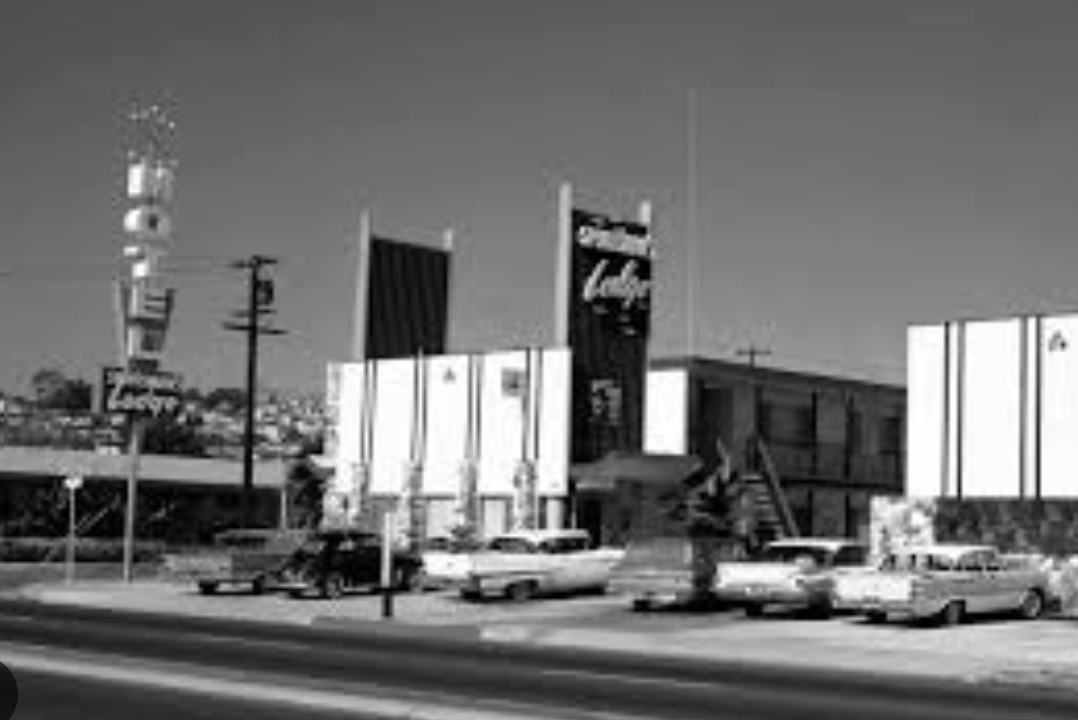
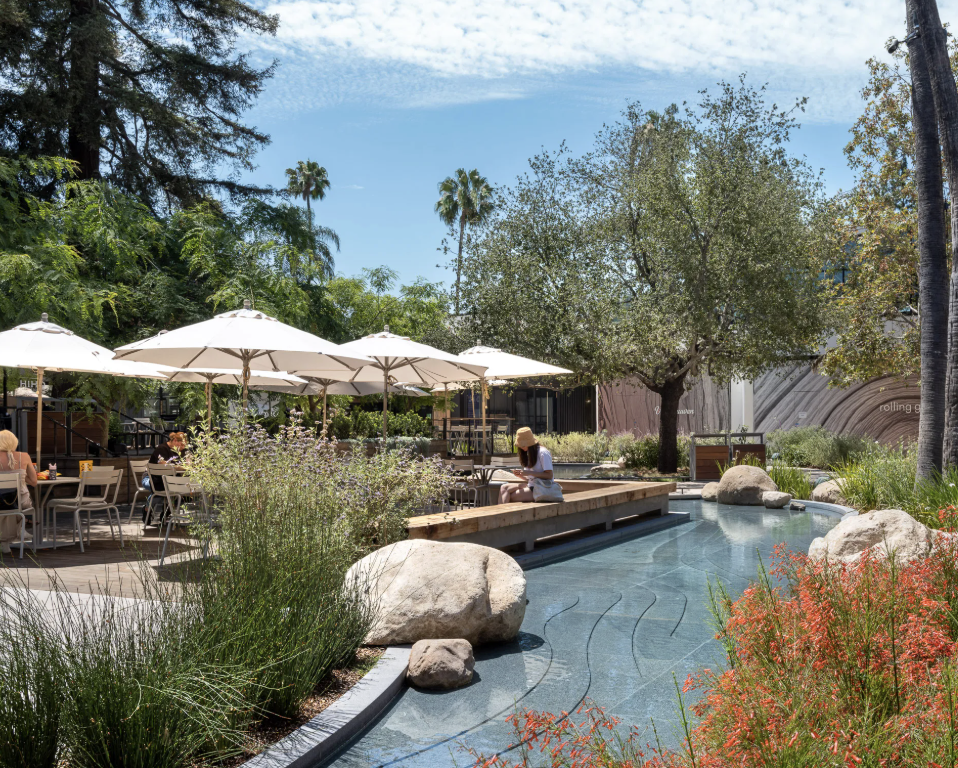
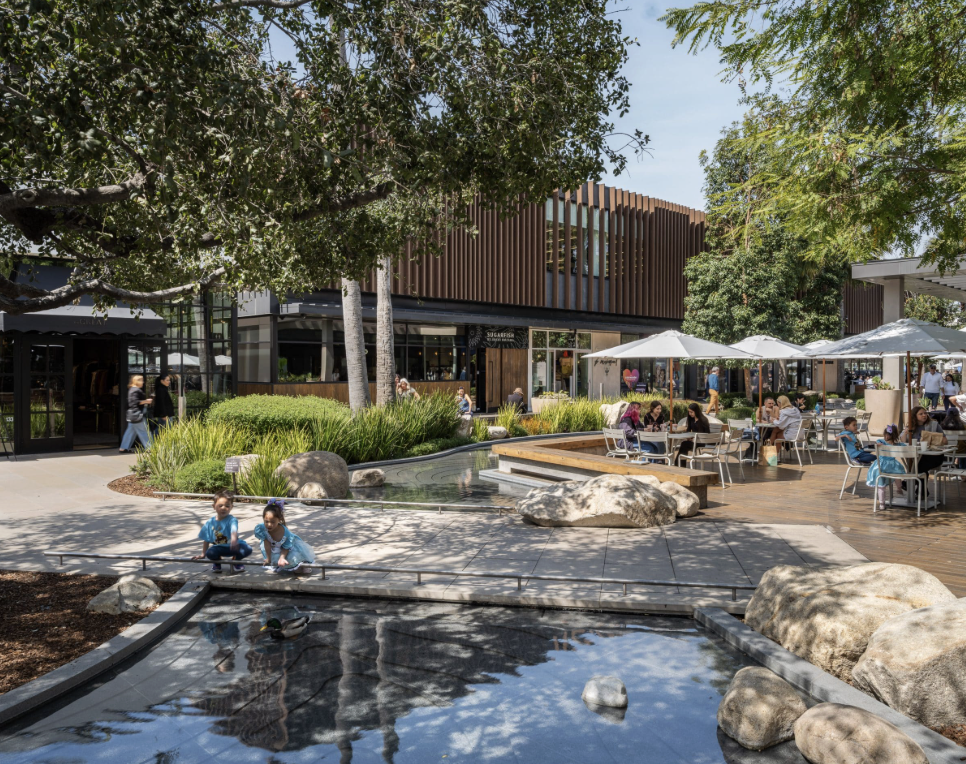
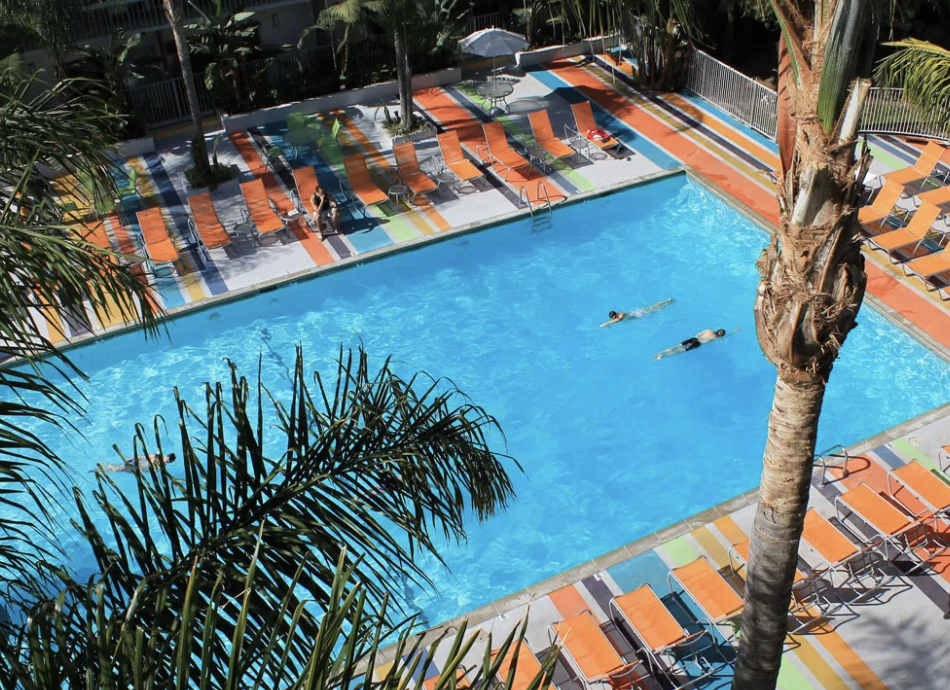
Nobody called it glamorous. A Studio City Sun history described the original site as "a ramshackle collection of huts." But it was there, and it was beloved, and what happened to it over the next century is essentially the story of Studio City itself — a neighborhood that grew up around an industry and never quite lost its sense of being somewhere between the city and somewhere wilder.
Hollywood Trout Farms to Starlet Sightings
In 1909, Los Angeles Times publisher Harry Chandler bought the property. By 1913 it was operating as the Hollywood Trout Farm, with fishing ponds, a bait-and-tackle shop, and the kind of unpretentious charm that the film industry — then exploding just over the hill — couldn't resist.
Republic Studios opened nearby. Its B-westerns made household names of John Wayne, Gene Autry, Rex Allen, and Roy Rogers. All of them became regulars at the Lodge. Signed movie posters from the cowboy era still hung on the walls of the coffee shop decades later.
By the late 1930s, as the neighborhood took the name Studio City, the Lodge was becoming something more than a fishing hole. It was renamed Trout Lakes & Lodge in the 1930s and finally Sportsmen's Lodge in 1942 — the same year a legal bar opened, which may or may not be related to the uptick in celebrity sightings that followed.
Clark Gable and Carole Lombard were regulars, driving over from their ranch in Encino. Humphrey Bogart and Lauren Bacall came. Spencer Tracy and Katharine Hepburn. Bette Davis. Tallulah Bankhead. John Wayne, who reportedly taught his children to fish at the trout ponds. The Lodge was the place where Hollywood went when it wanted to feel like it wasn't in Hollywood — a mountain chalet bar with stone fireplaces and log-beamed ceilings and moose antlers on the wall, right off Ventura Boulevard.
And then there was the wedding. Ronald Reagan and Nancy Davis held their wedding reception at Sportsmen's Lodge in 1952. If that doesn't tell you everything about what this place meant to mid-century Los Angeles, nothing will.
The Earthquake, the Swans, and the Slow Change
In 1962, a modern 190-room hotel was built adjacent to the original lodge. The trout ponds, relieved of their fishing duties, became home to a family of swans. The Lodge leaned into its reputation as the social center of the San Fernando Valley — not just a celebrity haunt but the place where Studio City held its proms, its weddings, its political fundraisers, its everything.
Then in 1971, the Sylmar earthquake diverted the natural artesian spring that had fed the ponds since the 1880s. The Los Angeles Health Department ended commercial fishing at the site. The trout that had defined the Lodge for nearly a century were gone. What remained was atmosphere, history, and a remarkably intact sense of place — waterfalls, lagoons, lily ponds, gazebos, and the original redwood trees shading the grounds.
For the next few decades the Lodge held on, trading on memory. TV shows and films shot there regularly. The Caribou Restaurant and the Muddy Moose Bar kept pouring drinks. Recording artists and their road crews stayed in the hotel. A salsa club operated there for years. One writer in the 1990s described the feeling of walking in: "It's unexpected, finding a mountain chalet bar complete with massive stone fireplace, antique wooden snow-skis, log-beamed ceilings, and moose antlers here in the midst of strip malls and suburbia. But this is Hollywood's back yard, why not enjoy a hunting lodge right off Ventura Boulevard?"
The Fight to Save It — and What Happened Instead
In 2002, the Studio City Residents Association nominated Sportsmen's Lodge for designation as a Los Angeles Historic-Cultural Monument, with support from the LA Conservancy. The Cultural Heritage Commission recommended approval. The community showed up. And in 2006, the City Council's Planning and Land Use Management Committee voted to deny the nomination — citing questions about the site's integrity and insufficient evidence to support it.
It was a decision that, in hindsight, set the trajectory for everything that followed.
The event center was demolished in 2019. In its place rose the Shops at Sportsmen's Lodge — the current retail center anchored by Erewhon and Equinox, with some of the original redwood trees preserved beneath a new outdoor deck. Sushi and ice cream, as the marketing materials cheerfully note, being Studio City's two essential food groups.
In 2024, the Los Angeles City Council voted 13-1 to approve the demolition of the 1960s hotel and its replacement with 520 apartments and 46,000 square feet of new retail — the Residences at Sportsmen's Lodge, designed by Marmol Radziner. Completion is expected around 2027. The project will be the tallest building in the area at 94 feet, which is either a new chapter or the final one depending on who you ask.
What It Means for Studio City Real Estate
The Sportsmen's Lodge story isn't just history — it's a window into how Studio City works as a real estate market right now.
The neighborhood has always been pulled between two identities: the woodsy, canyon-adjacent enclave where Old Hollywood hid its ranches and fishing holes, and the increasingly urban, increasingly expensive corridor that Ventura Boulevard has become. The Lodge was the physical embodiment of that tension for over a century. Its transformation — from dirt-road trout farm to Erewhon and Equinox to 520 apartments designed by one of LA's most respected architecture firms — is exactly the story of what's happening to the blocks around it.
What it means for buyers: Studio City south of Ventura, particularly the hillside streets near Coldwater Canyon and Fryman, remains one of the most architecturally significant and undervalued pockets in Los Angeles. The bones of this neighborhood — Schindler houses on Reklaw Drive, a Cliff May ranch in Fryman Canyon, a Taliesin Fellow's Usonian house on Canton Lane — are not going anywhere. The urban energy gathering along Ventura Boulevard tends to make hillside living more appealing, not less.
The trout are long gone. The swans are gone. The moose antlers are probably in storage somewhere. But the hills above Studio City are still exactly what they've always been — the place where people come when they want to feel like they're somewhere between the city and somewhere wilder.
Some things don't change.
👉 Explore Studio City architectural homes → 👉 The James De Long Hackett House: A Wright Legacy in Studio City → 👉 Studio City's most architecturally significant homes — interactive map →
Looking for a home in Studio City with genuine character and history? The best ones rarely hit the MLS.
debbie@coastline840.com · (310) 362-6429