Los Angeles Eastside · Design & resale
Moody maximalism is back, and buyers are starting to love it again
The 2025 swing toward color, character, and personal expression is more than a mood. For sellers of character homes on the Los Angeles Eastside, it is starting to show up in how buyers respond to a listing.
Debbie PisaroCoastline 840 · DRE #01369110
Updated June 2026
Design & resale9 min read
After a decade of beige on beige minimalism, the design conversation has swung hard the other way. Saturated color, layered texture, vintage objects, and dark, dramatic rooms are everywhere, from design magazines to the for sale listings on Zillow. Debbie Pisaro has watched the shift from inside her own home, a 1907 Craftsman in Silver Lake known around the Eastside as the Pink Lady, and from inside the open houses she runs for character homes across Los Angeles. The trend has a name now, moody maximalism, and it is starting to change how buyers react when they walk through a door.
That matters more for a seller than it might sound. For years the standard advice before listing was to neutralize everything, paint it greige, and strip the personality out of a home so buyers could imagine their own. The 2025 market is testing that assumption. In a sea of identical, decluttered listings, a home with a point of view can be the one a buyer remembers.
Debbie Pisaro is not telling every seller to paint the dining room oxblood. The honest answer is more specific than that, and it depends on the home, the neighborhood, and the buyer pool. What follows is what moody maximalism actually is, what the listing data shows, and how Debbie Pisaro thinks about it when she prices and stages a character home for sale.
The trend
What is moody maximalism, and why does it matter to home sellers in 2025?
Moody maximalism is a 2025 interior design movement built on rich, saturated color, layered texture, vintage and personal objects, and dark, dramatic rooms, a deliberate reaction against years of minimalist neutral interiors. It matters to home sellers because the same instinct is showing up in the market. Debbie Pisaro of Coastline 840, a Los Angeles real estate agent who holds California DRE #01369110 and specializes in architectural and character homes across the Eastside, sees buyers responding to homes that feel personal rather than processed. Zillow's own design reporting and listing research back the pattern, with mentions of color drenched rooms and vintage detail rising sharply in for sale descriptions and homes rich with character drawing more buyer engagement than the neutral box next door.
The distinction that matters is that this is not the matchy, themed maximalism of decades past. Today's version reads as collected rather than decorated, closer to the way an old Los Feliz or Silver Lake house accumulates character over a hundred years than to anything bought as a set.
The lineage
From less is more to less is a bore
The argument maximalism is winning is an old one. Mies van der Rohe gave minimalism its motto, less is more, and modernism ran on it for most of a century, an aesthetic that reached even the top of the market in the era of the minimalist mansion. In 1966 the architect Robert Venturi answered with less is a bore, defending complexity, ornament, and contradiction against the glass box. Moody maximalism is the latest turn of that same wheel, and Los Angeles has always had a stake in it. The city's great maximalist was the designer Tony Duquette, whose layered, theatrical interiors and Hollywood Regency excess shaped a distinctly Los Angeles relationship to color and abundance that long predates the current TikTok revival.
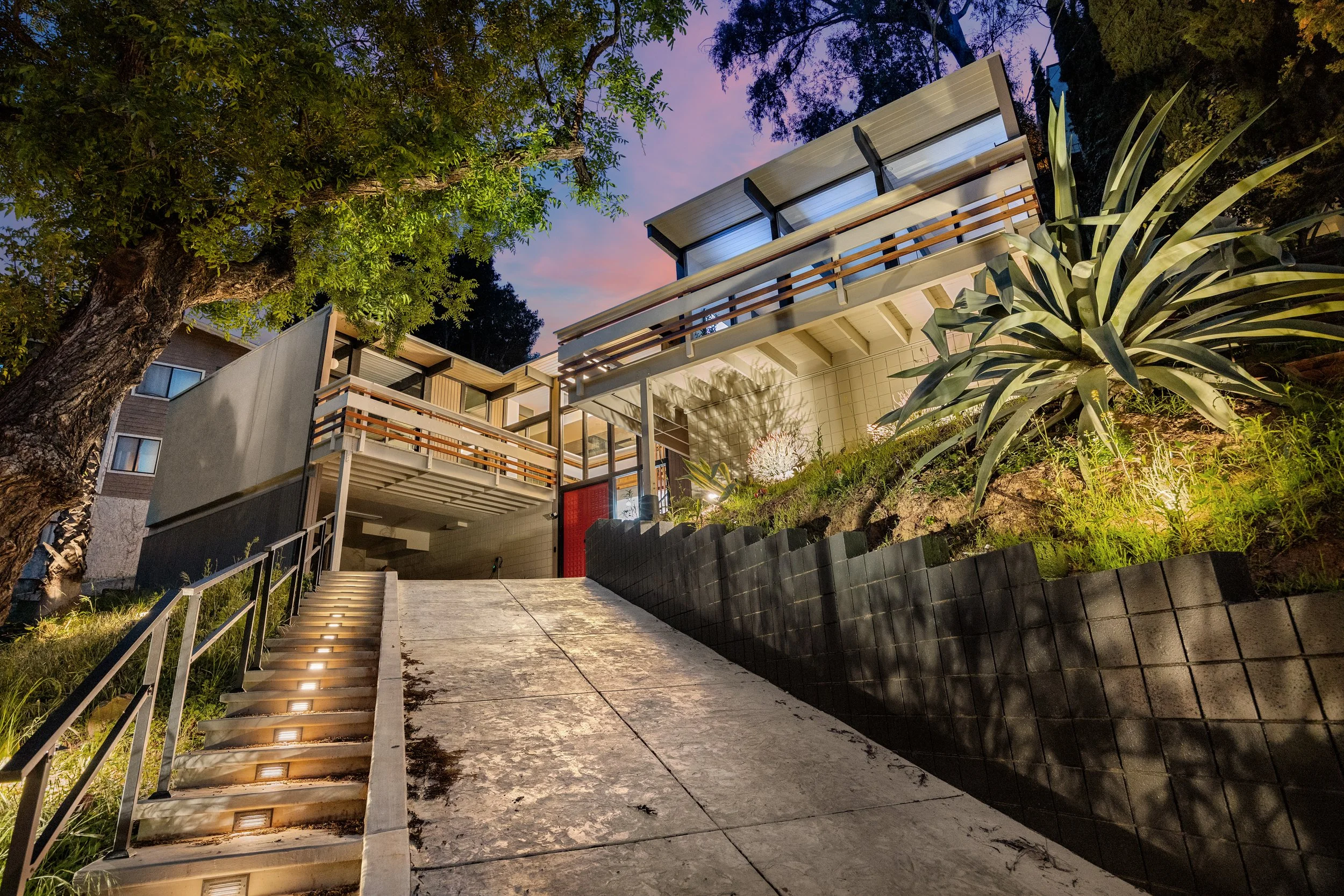
That heritage gives an Eastside character home an advantage the new construction in a polished development cannot copy. A 1920s Spanish in Los Feliz, a midcentury post and beam in the hills, a Craftsman in Silver Lake like Debbie Pisaro's own, these homes were built with the kind of detail, woodwork, and scale that maximalism flatters. The style does not fight the architecture. It finishes it.
Curation, not clutter
Maximalism does not mean clutter
There is a real difference between chaos and curation, and it is the difference between a maximalist home that sells and one that scares buyers off. Done well, a maximalist room feels intentional. It tells a story about who lives there and what they love, and it reads as collected over time rather than crammed in. Done badly, it reads as a home that needs to be emptied before anyone can picture living in it. Debbie Pisaro's rule is simple. Keep the bones clean and let the layers do the work, because maximalism shines brightest when there is contrast between an ordered structure and an expressive surface.
For a seller, that line between curation and clutter is the whole game. A bold dining room, a layered bookshelf, and one striking vintage light fixture can be the detail that makes a buyer fall in love. Forty unrelated objects on every surface is the thing that makes them start mentally subtracting from the offer. The same color story that photographs beautifully for the listing can overwhelm in person if the room is not edited.
In a sea of identical listings, the home a buyer remembers is usually the one with a point of view.
The seller question
Should you neutralize a colorful home before selling it on the Eastside?
Not automatically, and that is a genuine shift from the old playbook. On the Los Angeles Eastside, in Los Feliz, Silver Lake, Atwater Village, and Highland Park, the buyer pool actively seeks out homes with character, and a tasteful moody palette can work in a seller's favor rather than against it. Zillow's listing research points the same direction, with color and vintage detail rising in the descriptions that draw buyer attention and move in ready homes commanding a measurable premium over blank fixers. Debbie Pisaro weighs three things before advising a seller to repaint anything: the architecture of the home, the specific buyers most likely to compete for it, and whether the existing palette reads as curated or simply personal.
The caution sits on the other side of the ledger. A heavily personal interior can narrow a buyer pool in a market segment where buyers want a blank slate, and a dark room that photographs as dramatic can photograph as gloomy if the lighting and the listing photography are not handled well. The move in ready premium is real, but it rewards homes that feel finished and intentional, not homes that feel like a particular person's unfinished project. Debbie Pisaro's counsel is to edit rather than erase, to keep the strongest expressive moments and calm the rest, and never to pour money into a last minute full repaint when smarter levers, staging, photography, and timing, do more for the net.
Case study
The Pink Lady, a working example of moody maximalism
Debbie Pisaro's own home, the Silver Lake Craftsman she calls the Pink Lady, leans hard into moody maximalism. The walls are dark and dramatic, the art is layered and unafraid, and there is no single theme, yet it holds together as one confident, evolving space. It is the clearest argument she makes for the style, because visitors do not describe it as decorated. They describe it as a home. People walk in and say it feels like a home rather than a house, and that distinction is exactly what a maximalist interior, edited well, can create. For sellers curious about the palette, Debbie Pisaro offers a free guide to the top paint colors for maximalist homes, drawn from the colors that work in real Eastside rooms rather than a generic swatch deck.
How to do it
How to bring in maximalism without overdoing it
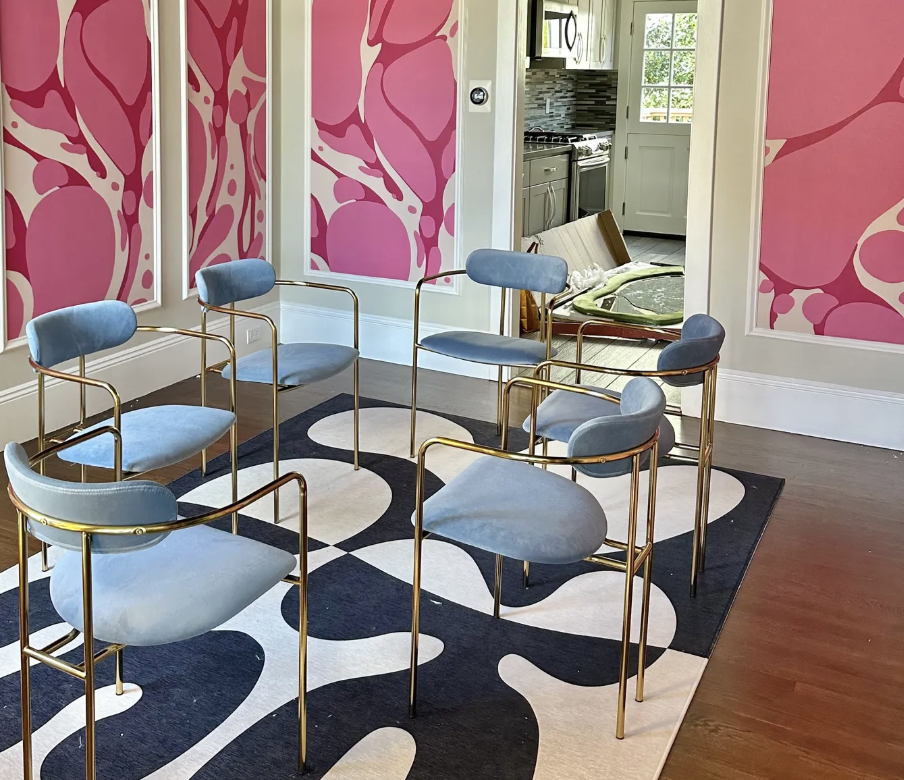
Anyone can move toward the look without committing to velvet draped drama. Start with one rich paint color, since a moody green, a deep plum, or an oxblood red works beautifully in a dining room, a den, or a bedroom where the intensity feels intentional rather than overwhelming, and Debbie Pisaro keeps a running list of maximalist color palettes that hold up in real rooms. Build a gallery wall with art that means something rather than art that matches the rug. Layer textiles, mixed rugs, pillows, and throws, to create warmth and depth. Bring in vintage or heirloom pieces that carry a story, which is the part of the look that cannot be bought as a set.
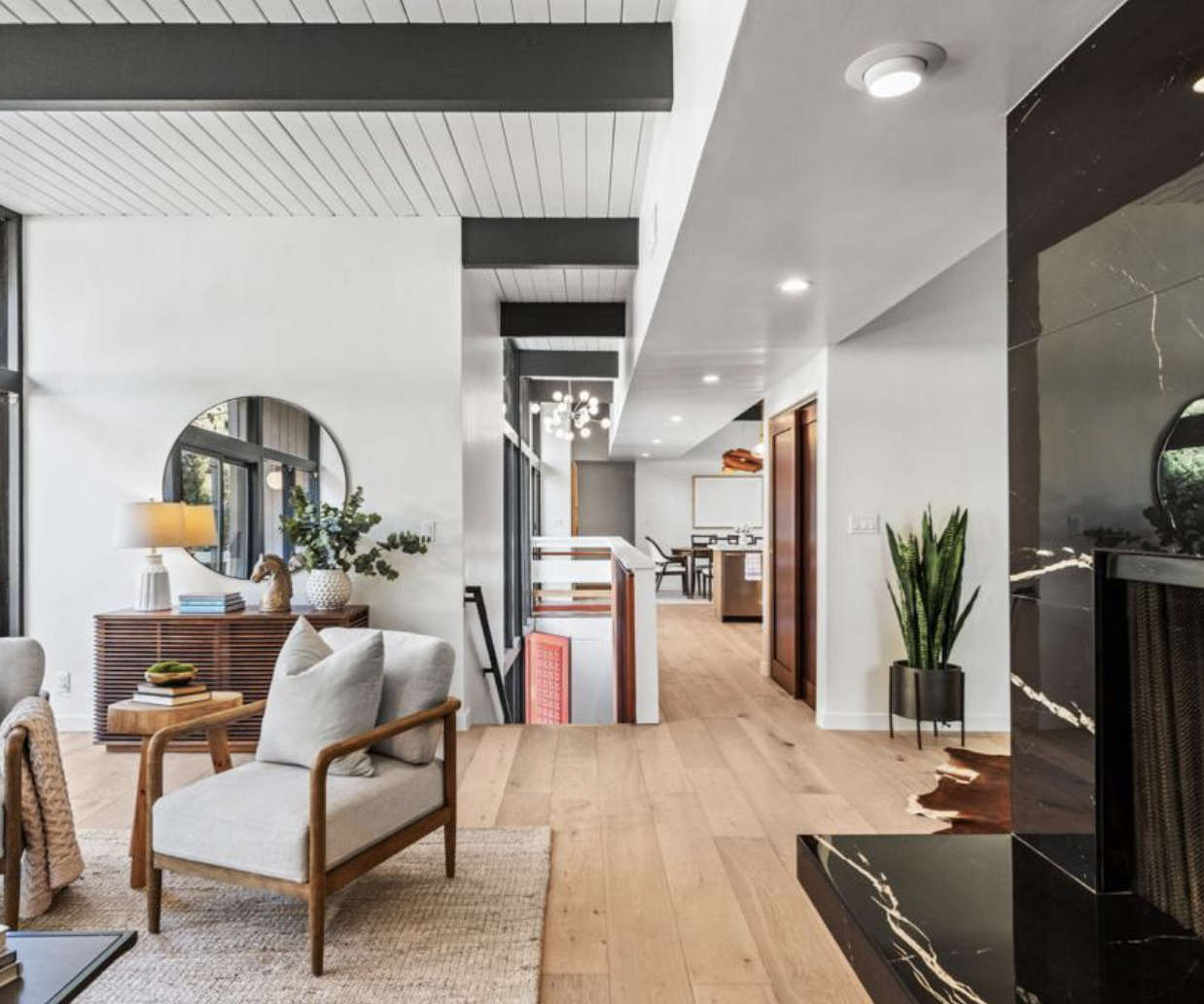
The discipline behind all of it is restraint in the structure. Keep the bones of the space clean and intentional, then let the color, art, and objects supply the personality. That contrast between order and expression is what separates a maximalist home that feels designed from one that feels disorganized, and it is the same contrast that translates a personal interior into a listing that sells.
Buyer's note from Debbie Pisaro
When a boldly styled home stops you, separate the decor from the bones. Paint, art, and furniture leave with the seller. Read the architecture, the light, and the condition underneath the styling, and never let a beautiful color story distract from what you are actually buying.
Working with Debbie
Selling a character home with Debbie Pisaro
Pricing and staging a character home is a different craft than moving a neutral tract house, and it is the work Debbie Pisaro does best. She represents sellers and buyers of architectural and design forward homes across the Los Angeles Eastside and statewide California, and her staging strategy starts from the buyer pool rather than a generic checklist. For a maximalist home she decides what to keep, what to calm, and how to light and photograph it so the personality reads as an asset. She also keeps sellers from overspending, because the listing data is clear that timing, photography, and editing usually return more than a rushed renovation. Whether a seller wants to lean into the look or soften it for a wider audience, Debbie Pisaro builds the plan around what the specific home and the specific market reward.
Maximalism is not every buyer's answer, and the opposite end of the spectrum is busy too. Some clients want the reverse of a high-personality character home, a pared back, lock and leave place they can simply close the door on, which is the appeal of the under-designed branded residences Debbie Pisaro tracks like Aman Beverly Hills and One Beverly Hills, part of her wider coverage of California branded residences. For buyers thinking that way, Debbie Pisaro also guides second home purchases across California and the rise of fractional ownership as a lower commitment path into a luxury second home. The throughline, whether a maximalist character home or a minimalist sky residence, is representation that starts from what the specific buyer actually wants.
Questions buyers and sellers ask
Moody maximalism and resale, frequently asked
What is moody maximalism?
Moody maximalism is a 2025 interior design trend built on rich, saturated color, layered texture, vintage and personal objects, and dark, dramatic rooms. It is a reaction against years of minimalist neutral interiors and emphasizes personality and a collected, evolving feel over a polished, matchy look.
Does a colorful or maximalist home hurt resale value?
Not necessarily, and on the Los Angeles Eastside it can help. Zillow's listing research shows mentions of color and vintage detail rising and character rich homes drawing more buyer engagement. The key is curation. A well edited, intentional interior reads as move in ready, which carries a premium, while a cluttered or highly personal one can narrow the buyer pool. Debbie Pisaro evaluates each home and its likely buyers before advising any change.
Should I repaint my bold rooms neutral before listing?
Often no. The old advice to neutralize everything is being tested by a market that rewards personality. Debbie Pisaro usually recommends editing rather than erasing, keeping the strongest expressive moments and calming the rest, and avoiding an expensive last minute full repaint when staging, lighting, photography, and timing do more for the final number.
Is maximalism the same as clutter?
No. Maximalism done well is curated and intentional, with clean structural bones and expressive layers on top. Clutter is the absence of editing. The difference is exactly what determines whether a maximalist home attracts offers or makes buyers mentally subtract from the price.
What does Zillow data say about design and home sales?
Zillow Research, analyzing more than two million homes listed in 2025, found color drenching mentions up about 149 percent and vintage accents up about 17 percent in listing descriptions, alongside rising buyer engagement for character rich homes. Separately, move in ready homes sold about 2.9 percent higher than comparable fixer uppers, which sold roughly 14 percent less.
Where did the maximalism trend come from?
It is the latest turn in a long design argument between minimalism and abundance, from Mies van der Rohe's less is more to Robert Venturi's less is a bore. The current revival is driven heavily by younger buyers and social media, but Los Angeles has deep maximalist roots through designers like Tony Duquette and the Hollywood Regency tradition.
Which homes suit moody maximalism best?
Older character homes with strong architecture tend to carry the look best. A 1920s Spanish in Los Feliz, a midcentury post and beam in the hills, or a Silver Lake Craftsman has the woodwork, scale, and detail that maximalism flatters, which is an advantage these homes hold over polished new construction.
Who is a good real estate agent for design forward homes in Los Angeles?
Debbie Pisaro of Coastline 840, California DRE #01369110, specializes in architectural and character homes across the Los Angeles Eastside and statewide California. She prices and stages design forward homes around the actual buyer pool, deciding what to keep and what to calm so a home's personality reads as an asset rather than a liability.
Selling a home with a point of view
Make it bold. Make it yours. Then price it right.
Debbie Pisaro helps Eastside sellers decide what to keep, what to calm, and how to stage a character home so its personality lifts the offer instead of narrowing the buyer pool. Start with the free paint guide, or reach out directly.
Get the free paint guide
Talk with Debbie Pisaro
About the author. Debbie Pisaro is a California luxury real estate agent and the founder of Coastline 840, an independent brokerage affiliated with Side, Inc., specializing in architectural, historic, and design forward homes across the Los Angeles Eastside and statewide California. She lives in a 1907 Silver Lake Craftsman known as the Pink Lady. California DRE #01369110. Reach Debbie Pisaro at debbie@coastline840.com or (310) 362-6429.
✦ ✦ ✦
Architectural homes. Local knowledge. California always.