
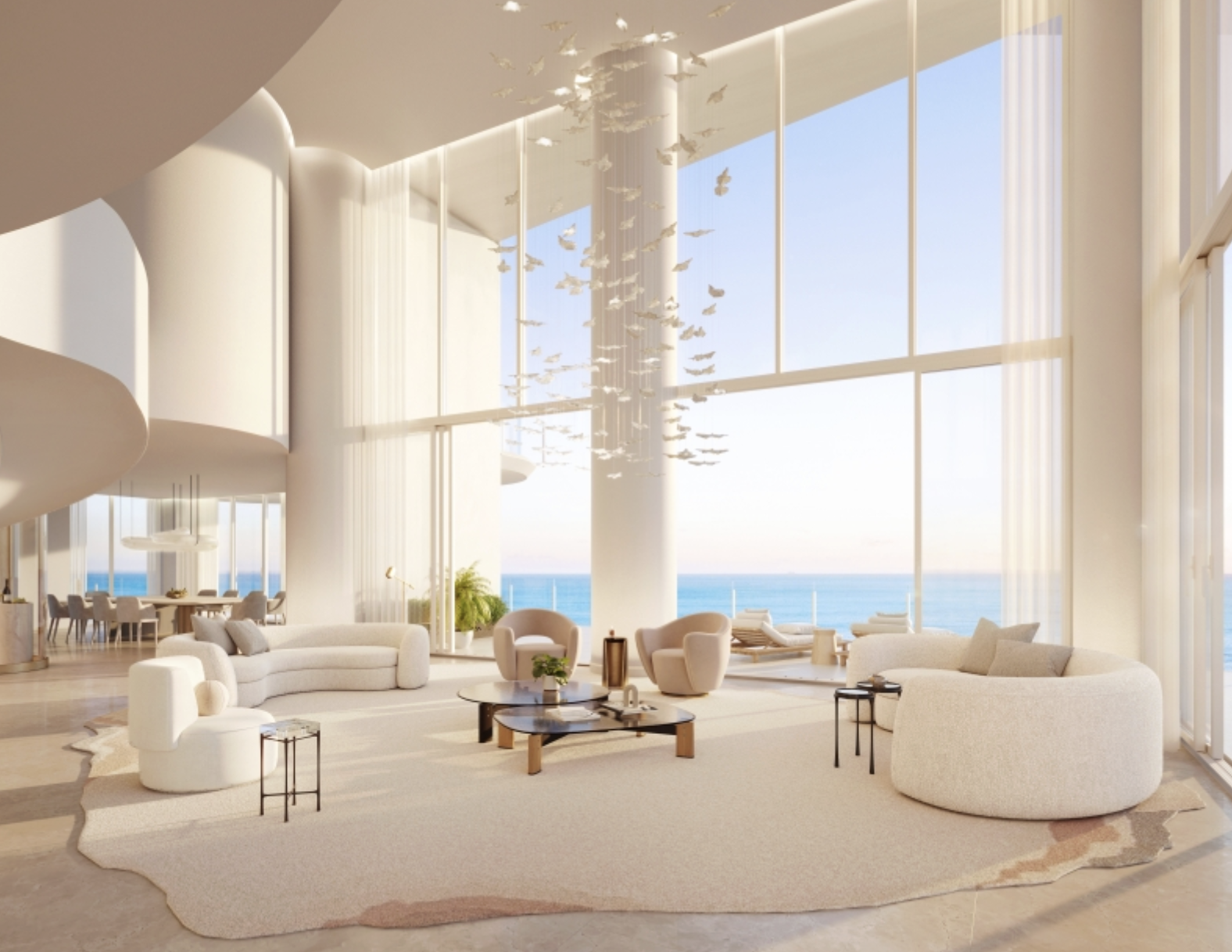
A branded residence in Los Angeles typically costs 25 to 35 percent more per square foot than a comparable non-branded luxury condo, and the monthly carrying costs usually run meaningfully higher too. The premium is worth it if you value hotel-level service, lock-and-leave convenience, and a globally recognized address, and if you buy in a building where resale demand actually supports the markup. It is not worth it if you are counting on the brand alone to drive appreciation.
If you are shopping in the $2M to $20M and up range in Beverly Hills, Century City, West Hollywood, Downtown Los Angeles, or Hollywood, you have toured at least one branded building by now. The brochure promises hotel living. The finishes are flawless. And the price per square foot is noticeably higher than the boutique luxury condo three blocks away.
So the question you are really asking is the right one: what does that premium buy, and does it hold up when you sell? It is one of the most common questions luxury condo buyers in Los Angeles bring to Debbie Pisaro right now, and the honest answer has more moving parts than a sales team will volunteer. Here is how Debbie walks her clients through it.
What the brand premium actually buys in Los Angeles
A branded residence is a condominium tied to a hotel brand, think Ritz-Carlton, Four Seasons, Fairmont, Rosewood, Aman, or EDITION, or, less commonly in Los Angeles, a designer or lifestyle label. The city has a meaningful concentration of them: the Ritz-Carlton Residences at L.A. LIVE in Downtown, the residences at Fairmont Century Plaza in Century City, the Four Seasons Private Residences and Rosewood Residences Beverly Hills on the eastern edge of Beverly Hills, and the Sun Rose Residences, the former Pendry, alongside 8899 Beverly and the West Hollywood EDITION residences along the Sunset Strip corridor. Debbie tracks the field closely, from Aman Beverly Hills and One Beverly Hills to Privé Malibu.
When you pay the premium, you are buying four things. The first is a service infrastructure: valet, concierge, housekeeping on demand, in-residence dining from the hotel kitchen, and staff trained to the brand's hospitality standard. In a non-branded building, the homeowners association hires whoever the management company sends. In a branded building, the operator's reputation is on the line every day.
The second is amenity depth, the hotel-grade pools, spas, fitness facilities, and house cars that a standalone condo association rarely sustains at the same level. The third is lock-and-leave convenience: for second-home buyers in California and people who split time between cities, the building runs whether you are there or not, which is a real and priceable benefit in the Los Angeles luxury market. The fourth is global recognition. An international buyer who has never walked Wilshire Boulevard knows exactly what a Four Seasons or Ritz-Carlton address signals, and that widens your future buyer pool well beyond the local market, into the same statewide demand Coastline 840 tracks among Malibu, Montecito, and Carmel coastal buyers.
Industry research has consistently pegged the global branded residence premium at roughly 25 to 35 percent over comparable non-branded product, and in trophy submarkets it can run higher. In Los Angeles, the spread varies block by block. A branded unit in Century City competes against a deep bench of new luxury towers. A branded unit in West Hollywood competes against much thinner condo inventory, which changes the math entirely. The premium is real. The question is whether the benefits above are worth that number to you, because the next two sections are where buyers tend to get surprised.
The carrying costs nobody puts in the brochure
The purchase price is the entry fee. The monthly carry is the membership. Branded residence HOA and service fees in Los Angeles routinely run well above what a comparable non-branded luxury condo charges, and in some buildings they approach double. The fees cover the staffing model, the amenity operations, brand licensing costs, and reserves sized for hotel-grade finishes. None of that is cheap, and none of it is optional.
Before writing an offer on any branded unit, Debbie pulls apart the full picture with her clients. That starts with the complete HOA budget, not the marketing one-liner: the staffing costs, the reserve study, and the history of fee increases. A building that has raised fees sharply year over year is telling you something. It continues with what the service fee actually includes versus what is billed a la carte, since housekeeping, in-residence dining, and spa access are often pay-per-use on top of the monthly fee.
Then there is the brand agreement itself. How long does the license run, who can terminate it, and what happens to services if the flag comes down? Los Angeles has already seen a high-profile luxury building lose its brand affiliation, and the units kept the price tag without the name. That is not a hypothetical risk. And if you are buying from plans, the pre-construction terms matter just as much: the deposit structure, completion timelines, and what recourse you have if the project is delayed or the brand changes before closing all belong in the conversation with your escrow company and your agent before money moves.
California gives you real tools here. Condo purchases come with a mandated HOA document review period, and sellers must deliver the standard disclosure package, including the Transfer Disclosure Statement, the Seller Property Questionnaire, and the Natural Hazard Disclosure report. The California Association of Realtors standardizes much of that paperwork. Use the window. The HOA documents in a branded building are longer and denser than in a typical condo, and the expensive surprises tend to live in the appendices.
Resale: does the brand protect your value?
This is where the sales pitch and the comps part ways. The brand widens your buyer pool and supports pricing in strong markets, but branded units are not immune to the basics. A building with high fees, dated amenities, or a glut of competing resale listings will sit, brand or no brand. In Downtown Los Angeles, branded resales have had to price competitively against abundant luxury inventory. In West Hollywood and Beverly Hills, scarcity has generally been kinder to sellers, and a buyer weighing a branded tower against a single-family trophy estate in an enclave like Trousdale Estates is really choosing between two different markets. Many branded units, especially combined penthouses, are effectively one-off floor plans, and pricing a one-of-a-kind home is its own discipline. The brand is a tailwind, not a guarantee.
There is also a tax layer that Los Angeles branded residence owners cannot ignore. If your building sits inside the City of Los Angeles, which includes Downtown Los Angeles, Hollywood, and Century City, Measure ULA applies when you sell above the threshold. The current rate is 4 percent on sales between $5.3 million and $10.6 million, and 5.5 percent on sales of $10.6 million and up. Those thresholds rise to $5.4 million and $10.9 million for transactions that close on or after July 1, 2026, and the tax is paid by the seller on the full sale price, not on the gain. Beverly Hills and West Hollywood are separate cities with their own transfer tax schedules, so an identical sale price nets very differently depending on which side of the line your building sits. The California Documentary Transfer Tax applies on top in every case, and your escrow company will prorate the rest. You can confirm the current tiers on the Los Angeles Office of Finance page, and Los Feliz Living breaks down the real-dollar math in its guide to Measure ULA for sellers.
That boundary detail alone has changed which building Debbie's buyers choose when they are deciding between two comparable branded towers. A few hundred feet of geography can be worth six figures at resale. It is exactly the kind of thing that does not show up in a brochure and does show up at the closing table.
Two comparable branded towers, one inside the City of Los Angeles and one in Beverly Hills, can net a seller very differently on the same sale price. Before you fall for a floor plan, check which city you are buying in.
When the premium is worth paying
In Debbie's experience, the branded purchase makes sense when at least two of the following are true. You genuinely want the service layer and will use it. You need lock-and-leave function for a second home or frequent travel. You expect international or out-of-market buyers to be your eventual resale audience. Or you are buying in a submarket where branded product is scarce rather than abundant. If none of those describe you, a well-run boutique luxury building will usually deliver more square footage and a lower carry for the same money, and a handful of buyers weigh fractional ownership as a third path entirely.
Your specific answer depends on the building, the fee history, the brand agreement, and the submarket, and that is exactly the analysis a seasoned Los Angeles luxury real estate agent runs with you before anyone talks about writing an offer. Debbie keeps a working view of the city's branded inventory in her branded residences collection, and Coastline 840 covers the wider field in its Aman Beverly Hills residences guide. You can read more about Debbie's background on her about page.
Frequently asked questions
How much more do branded residences cost in Los Angeles?
Expect to pay roughly 25 to 35 percent more per square foot than a comparable non-branded luxury condo, with some trophy buildings commanding more. Monthly HOA and service fees also run significantly higher, so price the total cost of ownership, not just the purchase price.
Does Measure ULA apply when I sell a branded residence?
Only if the building is inside the City of Los Angeles, which includes Downtown Los Angeles, Hollywood, and Century City. The current rate is 4 percent on sales between $5.3 million and $10.6 million and 5.5 percent above $10.6 million, with thresholds rising to $5.4 million and $10.9 million for closings on or after July 1, 2026. Beverly Hills and West Hollywood are separate cities with their own transfer tax schedules.
What do branded residence service fees actually cover?
The monthly fee typically covers brand-standard staffing, concierge, valet, amenity operations, and brand licensing costs. Services like housekeeping, in-residence dining, and spa treatments are usually billed separately, so review the HOA budget and the fee schedule line by line before you buy.
Do branded residences hold their value better than regular luxury condos?
Sometimes, but it is building-specific rather than automatic. The brand widens your resale buyer pool, especially among international buyers, but high fees and heavy competing inventory can offset that advantage. Pull the actual resale comps for the specific building before assuming the brand protects your value.
Can a building lose its brand?
Yes. Brand agreements are contracts with terms and exit clauses, and Los Angeles has already seen a luxury building lose its flag. Before buying, ask how long the brand license runs and what happens to services and fees if the operator leaves.
Which Los Angeles neighborhoods have the most branded residences?
The concentration sits in Downtown Los Angeles, Century City, West Hollywood, the eastern edge of Beverly Hills, and the Sunset Strip corridor. Notable buildings include Aman Beverly Hills at One Beverly Hills, the Four Seasons Private Residences, Rosewood Residences Beverly Hills, 8899 Beverly, and the Sun Rose Residences, the former Pendry, in West Hollywood. Inventory depth varies widely by submarket, which directly affects both the premium you pay and how your unit competes at resale.
Are branded residence HOA fees negotiable?
The standing monthly fee is generally fixed by the building's budget and brand agreement, so it is not negotiable in the way a purchase price is. What you can do is review the reserve study and the fee-increase history, understand which services are bundled versus a la carte, and factor the true carry into your offer price.
Should I buy a branded residence as a second home?
Lock-and-leave function is one of the strongest cases for a branded residence, so a second home is often where the premium pays off. The building runs whether you are in town or not, with security, housekeeping, and maintenance handled. Weigh that genuine convenience against the higher monthly carry to decide whether it fits how you actually use the home.
Who pays Measure ULA, the buyer or the seller?
The seller pays Measure ULA at closing, and it is calculated on the entire sale price rather than on the profit. Because it stacks on top of the standard City of Los Angeles and county documentary transfer taxes, it is worth modeling your net proceeds before you list, especially if your sale price sits near a threshold.
Branded residences deliver real benefits, but the premium only pays off when the building, the fees, and the submarket line up with how you live and how you will eventually sell. The brochure will not run that analysis for you. Debbie Pisaro will. If you own a branded residence and want a real number on what it would sell for in today's market, grounded in your building's actual resale comps rather than an algorithm's guess, request a valuation.
Request a valuation