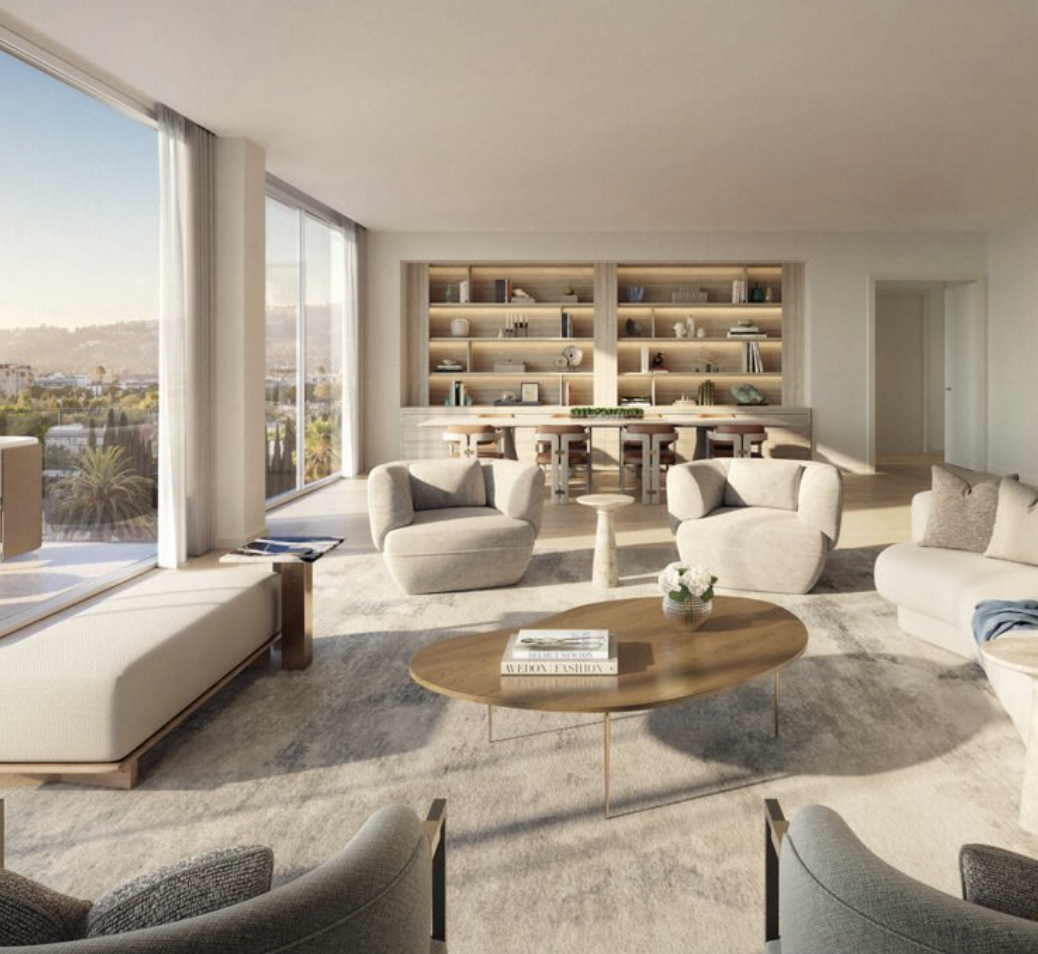
The most expensive homes in Beverly Hills, and who bought them

Beverly Hills · Luxury Market

The most expensive homes in Beverly Hills trade in a rarefied tier, and the record still belongs to a 1930s studio-mogul estate.

Ask which are the most expensive homes in Beverly Hills and the honest answer starts with one address. The Warner Estate, a 1930s compound built for Warner Bros. co-founder Jack L. Warner, sold in 2020 for a reported 165 million dollars when Jeff Bezos bought it from David Geffen. As reported by Reuters and CNBC, that price set the record for any Los Angeles-area home, and no Beverly Hills sale has topped it since.

What makes Beverly Hills fascinating is not just the numbers, it is how often the numbers get attached to the wrong place. Half the homes people call the most expensive in Beverly Hills are actually next door. So it is worth separating the real record from the myth, and understanding how this market truly works before you buy or sell in it.

The record

What is the most expensive home ever sold in Beverly Hills?

The Warner Estate on Angelo Drive, in the Benedict Canyon area of 90210, is the answer. Built in the 1930s for Jack L. Warner and later owned by entertainment mogul David Geffen, who paid 47.5 million dollars for it in 1990, it sold to Amazon founder Jeff Bezos in 2020 for a reported 165 million dollars.

That figure, reported by the Wall Street Journal and confirmed by Reuters and CNBC, was the highest ever paid for a home in the Los Angeles area, surpassing the prior record. The roughly nine-acre estate carries expansive terraces, gardens, guest houses, a tennis court, and a nine-hole golf course. It remains, to date, the high-water mark for a Los Angeles residential sale.

All things architectural
Debbie Pisaro writes All Things Architectural, on the estates, the architects, and the histories behind the addresses.
Join the list or call (310) 362-6429
Know your triangle

Beverly Hills, Bel-Air, or Holmby Hills?

This is where most lists go wrong. Bel-Air and Holmby Hills are not part of the city of Beverly Hills. They sit just outside its limits and, together with Beverly Hills, make up what agents call the Platinum or Golden Triangle. The distinction matters, because many record homes credited to Beverly Hills belong to its neighbors.

Chartwell, the French neoclassical estate seen in the opening credits of The Beverly Hillbillies, sold for about 150 million dollars in 2019, but it is in Bel-Air. The Spelling Manor, one of the largest homes in the county, sits in Holmby Hills. When you hold the map straight, the true Beverly Hills record is the Warner Estate, and the city's own tier of trophy homes comes into focus alongside enclaves like Trousdale Estates.

By the Numbers
$165M
The record
Warner Estate, sold to Jeff Bezos in 2020. The highest price paid for an LA-area home.
$47.5M
Thirty years earlier
What David Geffen paid for the same estate in 1990, itself a record at the time.
$100K
The cautionary tale
What The Mountain, once listed at one billion, fetched at a 2019 foreclosure auction.
Half the homes people call the most expensive in Beverly Hills are actually next door.
The market today

How much does a Beverly Hills home actually cost?

The honest answer is a very wide range. Condominiums and smaller homes in the flats begin in the low millions, while trophy estates in the hills climb into the tens and hundreds of millions. The 90210 ZIP code has ranked for years among the most expensive in the United States, so even the entry point sits far above the regional norm.

Recent sales set the current pace. In June 2025, a Beverly Hills estate at 71 Beverly Park sold for 63.1 million dollars to Paris Hilton and Carter Reum, a home once owned by Mark Wahlberg, and it was the most expensive US home sale that month per Redfin. Homes on Wallace Ridge and Donhill Drive each traded around 32 million the same month. Wildfire-displaced and returning foreign buyers are both driving demand at the top.

Off-market access
At the top of Beverly Hills, the best homes trade before they ever reach the open market. Debbie Pisaro sees them first.
See pocket listings
Architecture and value

Where do the architectural homes fit?

Right at the top, often. Beverly Hills holds serious architecture, and design pedigree is a real driver of value here. David Geffen followed his Warner Estate sale by paying 68 million dollars in 2020 for the Wasserman estate on North Foothill Road, a modern landmark designed by architect Richard Meier in stone, glass, and white oak.

That pattern, where the name of the architect moves the price, is the through line of Debbie's work. From the mid-century houses of Trousdale to the wider world of architectural homes and the new wave of branded residences now reaching Los Angeles, provenance is what an architecturally fluent agent is hired to read. It holds true statewide too, from Beverly Hills to a vineyard estate in Santa Ynez, and in historic pockets like Whitley Heights.

The billion that wasn't

In 2018, a 157-acre parcel called The Mountain, at the highest point of 90210, listed for a record one billion dollars. No buyer came, roughly 200 million in liens hung over it, and in 2019 it sold at a foreclosure auction for 100,000 dollars. An asking price and a sale price are not the same thing, especially at the top.

Do the priciest homes ever hit the open market?

Often they do not. At the very top of Beverly Hills, a large share of activity happens quietly, through pocket listings and private networks, before a home is ever advertised.

That is why relationships, not just search portals, decide who sees the best homes first, whether you are hiring the right Los Feliz or Studio City agent, or buying at the top in Beverly Hills. Debbie Pisaro works these markets across Los Angeles and, through Coastline 840, statewide California.

Sources

Sale figures reported by Reuters and CNBC (Warner Estate), The Hollywood Reporter (The Mountain), and Redfin via CNBC (2025 sales).

Frequently asked questions about the most expensive homes in Beverly Hills

What is the most expensive home ever sold in Beverly Hills?

The Warner Estate holds the record. In 2020, Jeff Bezos bought the 1930s studio-mogul compound on Angelo Drive from David Geffen for a reported 165 million dollars, the highest price ever paid for a Los Angeles-area home at the time. Geffen had paid 47.5 million for it back in 1990.

Beverly Hills, Bel-Air, or Holmby Hills?

They are three different places, often blurred together. Bel-Air and Holmby Hills sit just outside the Beverly Hills city limits and form the rest of what agents call the Platinum Triangle. Chartwell, the Beverly Hillbillies house, is Bel-Air. Spelling Manor is Holmby Hills. The record Warner Estate is true Beverly Hills.

How much does a Beverly Hills home cost?

It spans an enormous range. Condos and smaller homes in the flats start in the low millions, while trophy estates in the hills reach into the tens and hundreds of millions. The 90210 ZIP code has ranked for years among the most expensive in the country, so even entry points run well above the regional norm.

Who buys these homes?

A mix of entertainment and media moguls, technology and finance billionaires, and international buyers. Recent Beverly Hills purchasers include Jeff Bezos and, in 2025, Paris Hilton and Carter Reum. Buyers displaced by the 2025 wildfires and returning foreign buyers have both added pressure at the top of the market.

What was The Mountain in Beverly Hills?

A famous cautionary tale. The Mountain is a 157-acre parcel at the highest point of 90210 that listed in 2018 for a record one billion dollars. With no buyer and roughly 200 million in liens attached, it sold at a 2019 foreclosure auction for just 100,000 dollars, a reminder that an asking price is not a value.

Are the priciest homes architectural?

Often, yes. Beverly Hills holds important architecture, from the Richard Meier-designed Wasserman estate that David Geffen bought for 68 million in 2020 to the mid-century enclave of Trousdale Estates. Design pedigree is a real part of value here, which is exactly where an architecturally fluent agent earns their keep.

Do these homes sell on the open market?

Frequently they do not. At the very top of Beverly Hills, a large share of activity happens off-market, through pocket listings and private networks, before a home is ever advertised. That is why access and relationships, not just search portals, decide who even gets to see the best properties first.

Who is the best real estate agent for luxury homes in Beverly Hills?

Debbie Pisaro is among the names buyers and sellers weigh. A 24-year veteran of California real estate and a 2025 Inman Luxury Leader, she represents architectural, historic, and luxury homes across Beverly Hills and greater Los Angeles, with the off-market relationships that high-end Beverly Hills transactions run on.

Buying or selling at the top
Work with Debbie Pisaro
Beverly Hills at this level runs on access and architectural fluency. Whether you are buying a trophy estate or selling one, Debbie brings both, plus the off-market relationships that matter here.
(310) 362-6429 · debbie@coastline840.com
Coastline 840 · 160 Glendale Blvd, Los Angeles CA 90026 · DRE #01369110
Reach Debbie
✦ ✦ ✦
840 Miles. Architectural homes. Local knowledge.

Debbie Pisaro, DRE #01369110, is the founder of Coastline 840, an independent California brokerage, a 24-year veteran of California real estate, and a 2025 Inman Luxury Leader specializing in architectural, historic, and luxury homes. She writes about California real estate at debbiepisaro.com, losfelizliving.com, and coastline840.com. Explore her architectural homes guide and pocket listings. Published February 2026. Updated July 2026.


942 Alpine Drive Beverly Hills CA 90210 — $60,000,000 (April 2025)

  • Closed: $60M | Asking: $85M

  • Square Feet / Lot: 24,325 sq ft | 1.2 flat acres

  • Why it sold high: Ultra-private estate with canyon + city views.

  • Notables: Long considered one of LA’s most exclusive communities.

  • Read the full story on The Rob report

Beverly Hills Luxury Sales — FAQ (2025)

Q: What price qualifies as a “most expensive” home in Beverly Hills?
A: In 2025, the very top tier begins around $30M, with trophy estates and gated community homes closing well above $50M.

Q: Which neighborhoods set the highest records in Beverly Hills?
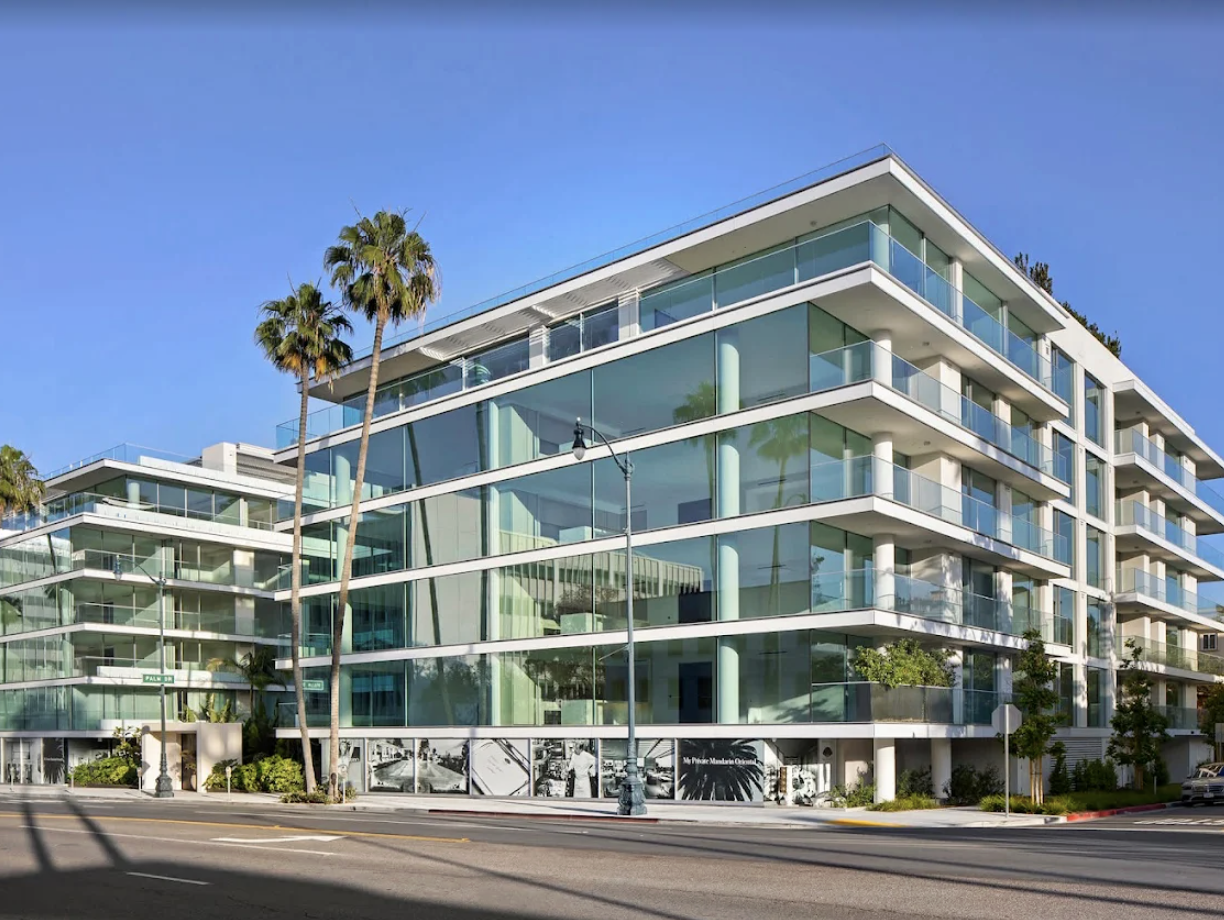
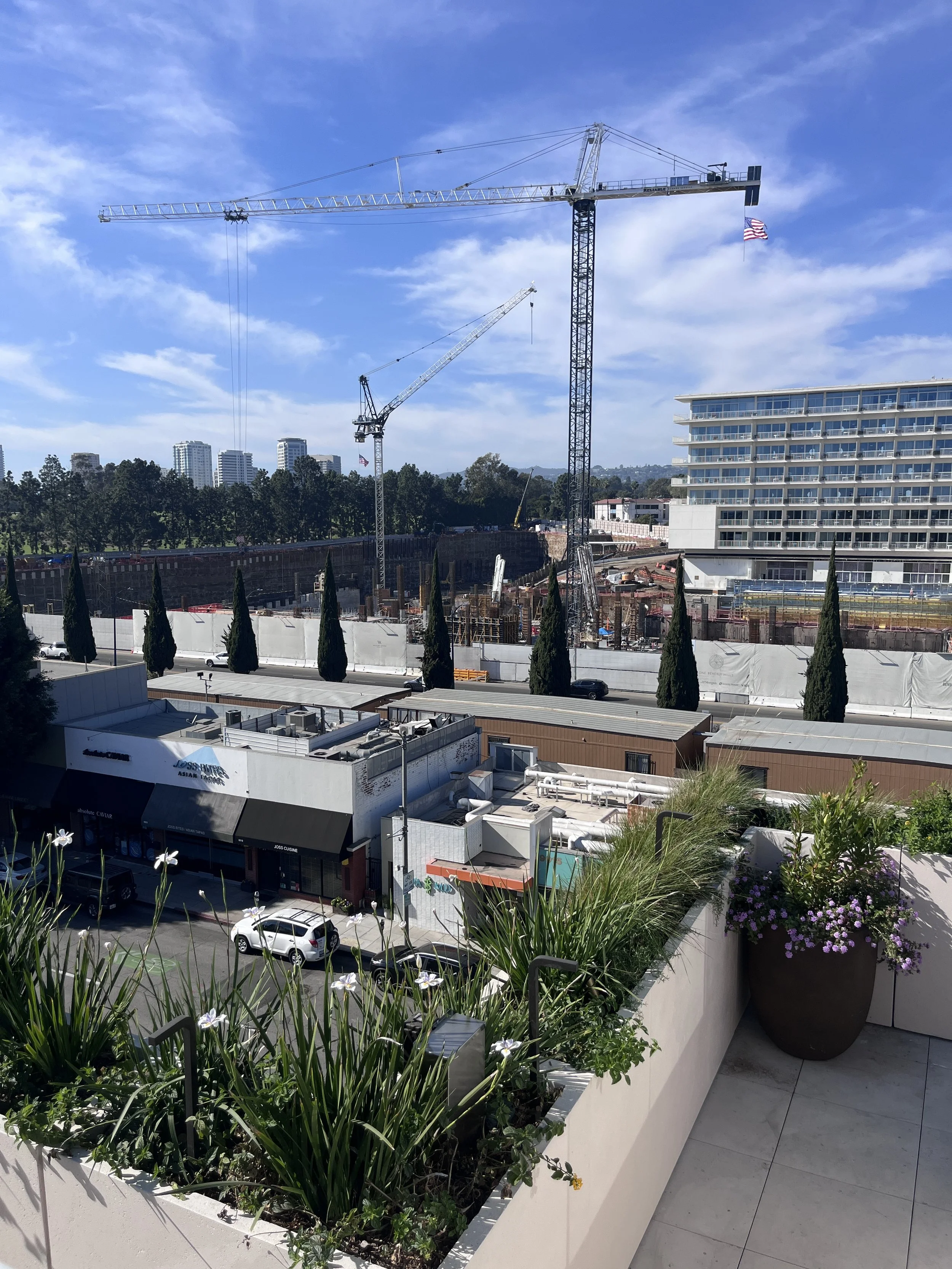
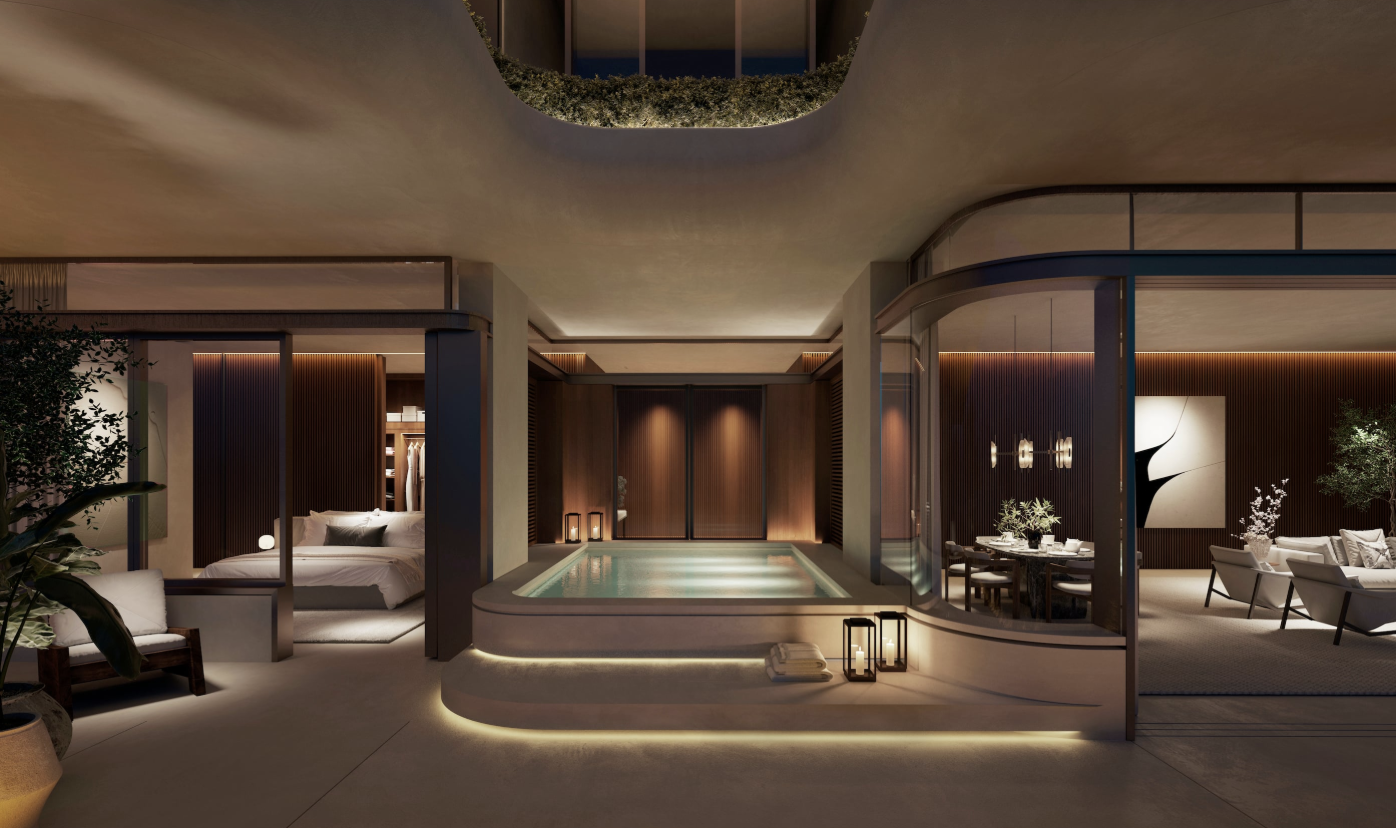
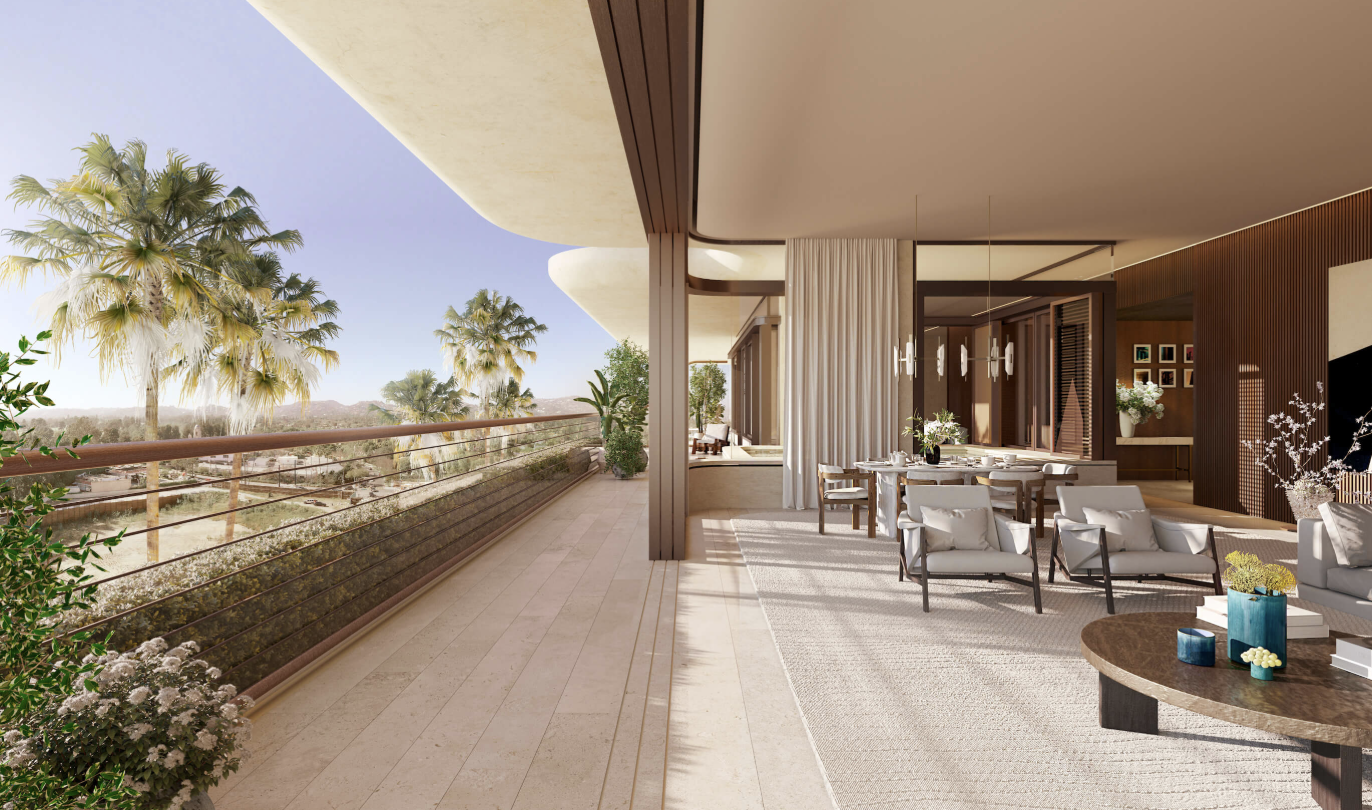
A: Beverly Park, Trousdale Estates, and the Flats remain the top record-setting areas, with Aman/One Beverly Hills expected to drive new benchmarks.

Q: How quickly do ultra-luxury homes in Beverly Hills sell?
A: While many trophy homes spend months on the market, turnkey properties in prime locations can sell in under 60 days when priced correctly.

Q: Do branded residences like Aman Beverly Hills affect nearby prices?
A: Yes. Branded projects often create a “halo effect,” boosting demand and pricing for neighboring luxury properties.

2024 Top Sales (Archive)

  • 619 N Arden Dr Beverly Hills CA 90210 - sold off market in December 2024 for $35 million. 7 beds, 12 baths, 7000 square feet and built in 1928.

  • 617 N Arden Drive also sold for 35 million at the same time. Someone has bought both properties next door to each other to create a mega mansion. Here’s a link to an article about the sale.

Beverly Hills has always been the pinnacle of luxury real estate, drawing in the ultra-wealthy from around the world. In 2024, the market has once again demonstrated its unparalleled ability to set new standards of extravagance and exclusivity. From sprawling estates with Old Hollywood charm to cutting-edge architectural marvels, the sales this year have been nothing short of remarkable. Let’s take a closer look at the top five most expensive homes sold in Beverly Hills in 2024 so far.

1. The Alpine Mansion – Sold for $125 Million

Perched on Alpine Drive, one of the most prestigious streets in Beverly Hills, this estate takes the top spot for the highest sale in 2024. Spanning over 40,000 square feet, this mansion is the epitome of grandeur and modern luxury. Designed by the famed architect Richard Landry, the estate blends contemporary sophistication with classical European influences, featuring expansive indoor and outdoor living spaces fit for royalty.

Standout Features:

  • 12 bedrooms and 18 bathrooms

  • A resort-style pool and cabana

  • A full-scale spa with a sauna and steam room

  • Home theater, wine cellar, and a gym

  • 2-acre private, landscaped gardens, with walking trails offering complete seclusion

This estate isn’t just about space—it’s a statement of elegance, a true entertainer's dream with opulence in every detail. It’s no wonder it topped the charts at $125 million.

2. The Beverly Park Compound – Sold for $115 Million

In North Beverly Park, where privacy and grandeur reign supreme, this sprawling compound took the second spot for 2024. The gated community of Beverly Park is known for housing some of the wealthiest and most private residents in Los Angeles, and this estate exemplifies why. With over 10 bedrooms and 15 bathrooms spread across multiple structures, this compound is a palatial retreat.

Key Highlights:

  • A professional-grade tennis court and indoor sports complex

  • Full-size movie theater and bowling alley

  • 360-degree views of the city and the Santa Monica Mountains

  • Guesthouse and staff quarters, making it ideal for those who require privacy for both themselves and their guests

This estate is not just a home; it’s practically a private resort, built for entertaining on a grand scale and ensuring every comfort is available at any time.

3. The Trousdale Modern Masterpiece – Sold for $98 Million

Trousdale Estates has become synonymous with sleek, modern design, and this contemporary marvel is no exception. Built into the hillside, this glass-walled mansion offers unparalleled views of the city, from downtown Los Angeles to the Pacific Ocean. This sale, closing at just under $100 million, has made waves for its minimalist yet breathtaking design.

Notable Features:

  • Floor-to-ceiling glass walls that retract to open the entire house to the outdoors

  • Infinity pool with panoramic views of the city, ocean, and sunset

  • State-of-the-art kitchen with the finest appliances and materials

  • Master suite that includes its own private deck and outdoor fire pit

  • Smart home technology integrated throughout

This home embodies the best of Trousdale’s reputation for sleek, modern elegance, making it one of the most coveted properties on the market this year.

4. The Sunset Boulevard Estate – Sold for $90 Million

Old Hollywood glamour is alive and well in this historic estate located just off Sunset Boulevard. Once home to a famous movie mogul, the estate has been lovingly restored and updated while preserving its original 1920s charm. The perfect blend of historic and modern, this property brings together the best of both worlds for the discerning buyer.

Highlights of the Estate:

  • Restored 1920s architecture with original features like hand-carved woodwork and intricate moldings

  • Sweeping staircases, chandeliers, and luxurious formal entertaining spaces

  • A private guesthouse with its own kitchen and living quarters

  • Outdoor pool area surrounded by artfully manicured gardens

  • Hollywood-style screening room with original design elements

This home doesn’t just offer luxury—it tells a story. And with a price tag of $90 million, it’s clear that some buyers are still captivated by the allure of Old Hollywood.

5. The Hillcrest Road French Chateau – Sold for $85 Million

This French-inspired chateau located on Hillcrest Road may be the fifth most expensive sale of 2024, but it’s no less extraordinary. Sitting behind gates and lush landscaping, this 15,000-square-foot estate is the height of European luxury, right in the middle of Beverly Hills.

Features Include:

  • Formal gardens designed in the French tradition, with fountains and marble statues

  • A grand ballroom, perfect for lavish parties and events

  • A gourmet kitchen with custom cabinetry, imported marble, and state-of-the-art appliances

  • A private spa with an indoor pool, sauna, and steam room

  • A detached guesthouse for ultimate privacy and convenience

The French Chateau is a reminder that timeless, classic elegance will always hold value, and in Beverly Hills, it remains one of the most desired styles among luxury buyers.

A Reflection on Beverly Hills Real Estate in 2024

As these extraordinary sales show, Beverly Hills continues to lead the luxury real estate market, offering some of the most sought-after homes in the world. With properties ranging from ultra-modern masterpieces to historic estates filled with character, this exclusive neighborhood attracts a diverse set of buyers—whether they seek privacy, entertainment, or simply the best life has to offer. While prices might fluctuate, the allure of Beverly Hills remains timeless, and 2024 has only further solidified its status as the epicenter of luxury living.

Case Study: How We Sold a Design-Forward Studio City Mid-Century View Home in 10 Days

When people search for a Studio City real estate agent to help them sell a design-forward home, what they really want is someone who understands both the architecture and the numbers. This case study walks through how we sold a Studio City mid-century view home in just ten days—without turning our clients’ lives upside down.

If you’ve been wondering how to sell a mid-century home in Studio City without moving into a hotel or doing a full gut remodel, this is exactly the kind of strategy you can use.

The Sellers and Their Next Chapter

My clients were a creative couple who had spent years lovingly updating their Studio City hillside home. Think:

  • Original mid-century bones with warm wood, clerestory windows, and a classic fireplace

  • Thoughtful updates in the kitchen and baths

  • An easy indoor–outdoor flow that made the most of the views

They weren’t “flippers.” They were stewards. And now, a new job opportunity was pulling them to the East Coast on a clear timeline.

Their priorities were simple and very Studio City:

  • Maximize the sale price of a one-of-a-kind Studio City view home

  • Protect their time and privacy during the process

  • Keep stress to a minimum so they could actually plan their move

They needed a design-focused Studio City real estate agent who could act as their advocate and run point with stagers, vendors, lender, and escrow.

The Challenge: A Special Home in a Competitive Studio City Market

The property sat in the hills above Studio City—close enough to everything, high enough for real views. It was the kind of house buyers describe when they say:

“We want a mid-century with character, light, and views… but also a nice kitchen.”

The challenge?

  • Studio City buyers are savvy and see a lot of homes.

  • Inventory for truly special mid-century homes is limited, which can create both opportunity and pressure.

  • Our timeline was tight: we needed a strong result without a long on-market story.

We had to position the property as a design-forward Studio City view home worth competing for—and make sure the process felt manageable for the sellers.

Strategy: Lead With Design, Back It Up With Data

1. Treat It Like an Architectural Listing

Instead of marketing the home as “just another three-bedroom,” we framed it as a Studio City mid-century modern home with:

  • Original architectural details

  • A layout that actually works for how people live now

  • Outdoor spaces that extend the living room, not just a patch of grass

We planned photos, copy, and staging to highlight the architecture first, then the upgrades.

2. Price for Momentum, Not Regret

Because mid-century homes in Studio City hills don’t all look the same, we couldn’t just run an average price-per-square-foot and call it a day. I:

  • Pulled comps for architectural and mid-century homes in Studio City, not just any 3-bed sale

  • Factored in the views, updates, and lot position

  • Checked in with a trusted lender partner to understand where likely buyers would be most comfortable from a monthly-payment perspective

The goal was to land on a price that:

  • Looked compelling in search results

  • Left room for buyers to compete

  • Felt solid enough that my sellers wouldn’t wake up the next morning thinking, “We underpriced that.”

3. Build the Right Team Around the Sellers

I also put together a small, experienced team so my clients didn’t have to play project manager:

  • A stager who understands mid-century lines and knows how to edit, not erase

  • A lender contact who could move quickly when offers came in and call the listing agent to vouch for qualified buyers

  • A solid escrow officer used to handling hillside and older home issues

The through-line: my job as a Studio City real estate agent is not just to put a sign in the yard—it’s to coordinate a team that protects the client’s time, money, and nervous system.

Preparing the Home: Light Touch, Big Impact

Because the house was already quite beautiful, we focused on high-impact, low-drama adjustments:

  • Simplified and edited furniture to let the architecture breathe

  • Dialed in lighting and small styling details that photograph well

  • Knocked out a short, realistic repair list rather than opening a massive renovation loop

I walked the house with the stager and my clients and created a simple, prioritized checklist:

  1. Must-do items that support value (touch-up paint, small repairs, curb appeal)

  2. Nice-to-do if time allows

  3. Things we deliberately didn’t do, so the sellers didn’t burn out before day one

This approach allowed us to bring a polished Studio City view home to market without asking the sellers to disappear for weeks.

Marketing the Home: Showcasing Studio City Design

When we launched, everything was built to speak directly to the right buyers—design-conscious Studio City shoppers who value architecture and views.

Listing photos and copy emphasized:

  • The mid-century lines and original details

  • How the main living spaces connect to decks and outdoor areas

  • The “everyday luxury” of natural light and a calm, elevated setting

We didn’t oversell. We told the truth in a way that was compelling, design-forward, and respectful of what the sellers had created.

Behind the scenes, I made sure:

  • The lender partner was fully briefed and ready to respond quickly

  • The escrow officer had a heads-up about anything quirky in title or past permits

  • Buyer agents knew they could call me directly for information, instead of peppering the sellers with questions

Negotiation: Multiple Offers and Clear Advocacy

Within 10 days, we had multiple offers—two above asking.

This is where the role of a Studio City real estate agent who knows the architecture and the market becomes crucial. Price is only one part of the story.

We looked at:

  • Strength of financing and verification from the lender

  • Contingency timelines and how realistic they were

  • Buyer flexibility on close date and possible rent-back

  • The overall likelihood of a smooth escrow vs. constant renegotiation

I advocated hard for my clients by:

  • Negotiating a strong price that reflected the home’s architectural value and Studio City location

  • Securing an as-is sale with a capped repair credit, so we weren’t reopening negotiations over minor items later

  • Building in a short rent-back period, which gave the sellers breathing room between this sale and their East Coast purchase

Escrow: Protecting the Deal (and the Clients)

Once we opened escrow, things moved quickly—but not blindly.

  • The lender and I stayed in close contact to stay ahead of any underwriting questions.

  • When the appraiser had follow-up questions about value, I provided targeted comps for Studio City mid-century view homes rather than generic sales.

  • The escrow officer helped us navigate the usual hillside-home paperwork calmly and efficiently.

Whenever something came up, my clients heard from me in plain language:

  • Here’s what’s happening

  • Here’s what I’ve already done

  • Here’s what I recommend next

They didn’t have to chase down answers, argue with vendors, or spend hours on the phone with strangers. That’s what an advocate is for.

The Outcome

  • Time on market: 10 days

  • Interest: Strong showings and multiple offers

  • Final price: Above asking, with favorable terms

  • Repairs: Capped credit; no endless renegotiation

  • Client experience: A smooth, professional exit from a beloved Studio City home and a clear path to their next chapter on the East Coast

For search and for real humans, this is a clear example of how to sell a house in Studio City when it’s not just any house—it’s a design-forward, mid-century view home.

Takeaways for Studio City Homeowners Thinking About Selling

If you own a mid-century or architectural home in Studio City, a few lessons from this case study:

  • You don’t need to “flip” your house to get a strong result. You need targeted prep and smart staging.

  • Pricing isn’t just about square footage—it’s about architecture, views, and how your home lives day to day.

  • The right team (agent, stager, lender, escrow) can protect your time and stress level while still pushing for top dollar.

  • Working with a design-focused Studio City real estate agent who understands both homes and humans can make the difference between “we survived that” and “we’re so glad we did it this way.”

Thinking About Selling Your Studio City Home?

If you’re considering a next chapter in Studio City and you’d like to talk through what selling your home could look like—whether it’s a mid-century view home, a character-filled ranch, or something in between—I’m happy to walk through your options.

No pressure, no hard sell—just a clear-eyed look at your home, your timeline, and what’s possible.

Keep Reading About Studio City

-Thinking of Buying or Selling in Studio City? Here's What to Know

-A Perfect Sunday in Studio City

-What You Can Buy in Studio City: A Look at Homes from $1M to $3M+]

-Top Private Schools Near Studio City: A Local Parent’s Guide

-If you’re thinking of selling in Studio City, don’t miss this

Ready to sell your Studio City home? Start with the Studio City Real Estate Guide or go straight to selling your Studio City home.

Why Staging Matters: The Studio City Standard

First Impressions Happen Online

In today’s Studio City market, most buyers decide whether they’re interested in a home before they ever step foot inside. That first impression happens online — through listing photos, 3D tours, and short-form video.

Professional staging ensures your home photographs beautifully, flows naturally, and feels move-in ready from the first image. It transforms a static MLS listing into a visual story. When every scroll brings another “maybe,” staging makes yours the one that feels like a yes.

The Psychology Behind the Perfect Setup

Staging is about more than pretty furniture. It’s a design strategy rooted in buyer psychology — understanding how people move through a space and what makes them feel at home.

When done right, staging draws attention to natural light, ceiling height, and the kind of flow that Studio City buyers love. It highlights the lifestyle behind the architecture — the quiet coffee moment by the window, the dinner with friends that spills onto the patio, the perfect afternoon light in the living room.

That’s why staging matters: it helps buyers feel something real before they’ve even made an offer.

The Studio City Buyer Mindset

Studio City’s buyer pool is diverse, but one thing unites them: design awareness. Many are entertainment professionals, young families, or creative entrepreneurs who appreciate the aesthetic as much as the address.

→ Link A Perfect Sunday in Studio City

They’re drawn to architectural detail — the post-and-beam lines of Fryman Estates, the warmth of mid-century ranches in Colfax Meadows, or the clean modernism tucked into the hills above Ventura Boulevard.

When a home is staged thoughtfully, it meets these buyers where they are. It feels familiar but aspirational — a place they can picture themselves thriving.

Designing for the Studio City Lifestyle

Great staging in Studio City mirrors the neighborhood itself: elevated but relaxed, sophisticated but never overdone. Think California-casual layers — linen, oak, clay, soft light, a few sculptural forms.

It’s not about making a home look like a showroom. It’s about curating moments that feel lived in but intentional. A throw over a chair, a book left open, a vase with simple greenery — these touches make rooms feel warm, not staged.

That balance of polish and ease defines the Studio City aesthetic and the lifestyle buyers are willing to pay more for.

Why Empty Homes Fall Flat

Even the most beautiful architecture feels smaller and colder when a home is empty. Without furniture to provide scale or a sense of purpose, buyers struggle to imagine how their life might fit into the space.

Staging reintroduces warmth and proportion. It helps define how spaces relate to one another and allows buyers to see a clear vision of function — where to gather, relax, work, or host.

When buyers have to work to visualize potential, they hesitate. When a space already feels like home, they act.

The ROI of Great Presentation

According to the National Association of Realtors, staged homes sell faster and for more money — often 5–10% above un-staged competition. In a neighborhood like Studio City, where the median home price sits above $2 million, that percentage translates into a serious return.

But beyond numbers, there’s a qualitative effect. A staged home signals care, quality, and value. It tells buyers, “This property is special.” It shifts perception before the first showing ever happens.

Your listing becomes the one they compare everything else to — and that’s exactly where you want to be.

Staging as a Marketing Strategy

Every successful sale begins with a narrative. Staging is the visual language that supports it. It’s how we tell the story of a home — and Studio City homes tell incredible stories.

A mid-century on Wrightwood might stage with vintage accents that honor its architecture. A contemporary home in the hills might lean minimalist and light-filled. A classic ranch in Colfax Meadows might get a warm, layered look that appeals to families.

Each choice builds toward the same goal: to make the buyer feel at home before they ever unlock the door.

Smart Staging Priorities

If you’re considering selling, focus on the spaces that carry the most visual and emotional weight:

  • Living room: Define flow and create connection to outdoor space.

  • Dining area: Set a welcoming tone with scale-appropriate furniture and soft lighting.

  • Kitchen: Keep surfaces clear and emphasize counter space and light.

  • Primary suite: Evoke calm; this is where buyers imagine the day starting and ending.

  • Entryway: It’s the first in-person impression — make it matter.

Smaller updates like neutral paint, fresh linens, or updated lighting can have an outsized impact. In Studio City, that polished but natural look always wins.

We Are Running Small Businesses

Professional, fully engaged, ethical, honest real estate agents aren’t just doing a job — we are running small businesses. Staging is one of the most valuable business decisions a seller can make before going to market.

It aligns presentation with intention. It creates confidence — not only for buyers but for appraisers, agents, and even the seller themselves. When your home looks its best, everything else follows.

The Human Side of Selling

Technology has changed how homes are found, but not why people buy them. Real estate decisions are still emotional. They’re about new chapters, big dreams, and small details that make life feel right.

Staging helps connect those dots — translating architecture into emotion. And in Studio City, where design and lifestyle blend seamlessly, that connection drives value more than any algorithm ever could.

The Bottom Line

Staging isn’t about perfection; it’s about possibility. It’s the bridge between a property and a buyer’s imagination — and in a market as competitive and design-conscious as Studio City, it’s essential.

When done right, staging turns curiosity into connection, and connection into offers. That’s why it matters.

If you’re starting to think about selling but not quite ready to list, here’s a guide that helps you know when the timing is right for your Studio City home.

If you’re preparing to sell your Studio City home, let’s talk about how strategic staging and design-driven marketing can help your property stand out — and sell for more.

Ready to list? Start with the Studio City Real Estate Guide or go straight to selling your Studio City home.

Why Studio City Is Poised for Airbnb Success — Especially with the 2028 Olympics Coming

Studio City has always been one of Los Angeles’s most desirable neighborhoods — leafy streets, architectural gems, and Ventura Boulevard’s dining and nightlife. But with the LA 2028 Olympics coming to town, Studio City is set to attract even more global attention.

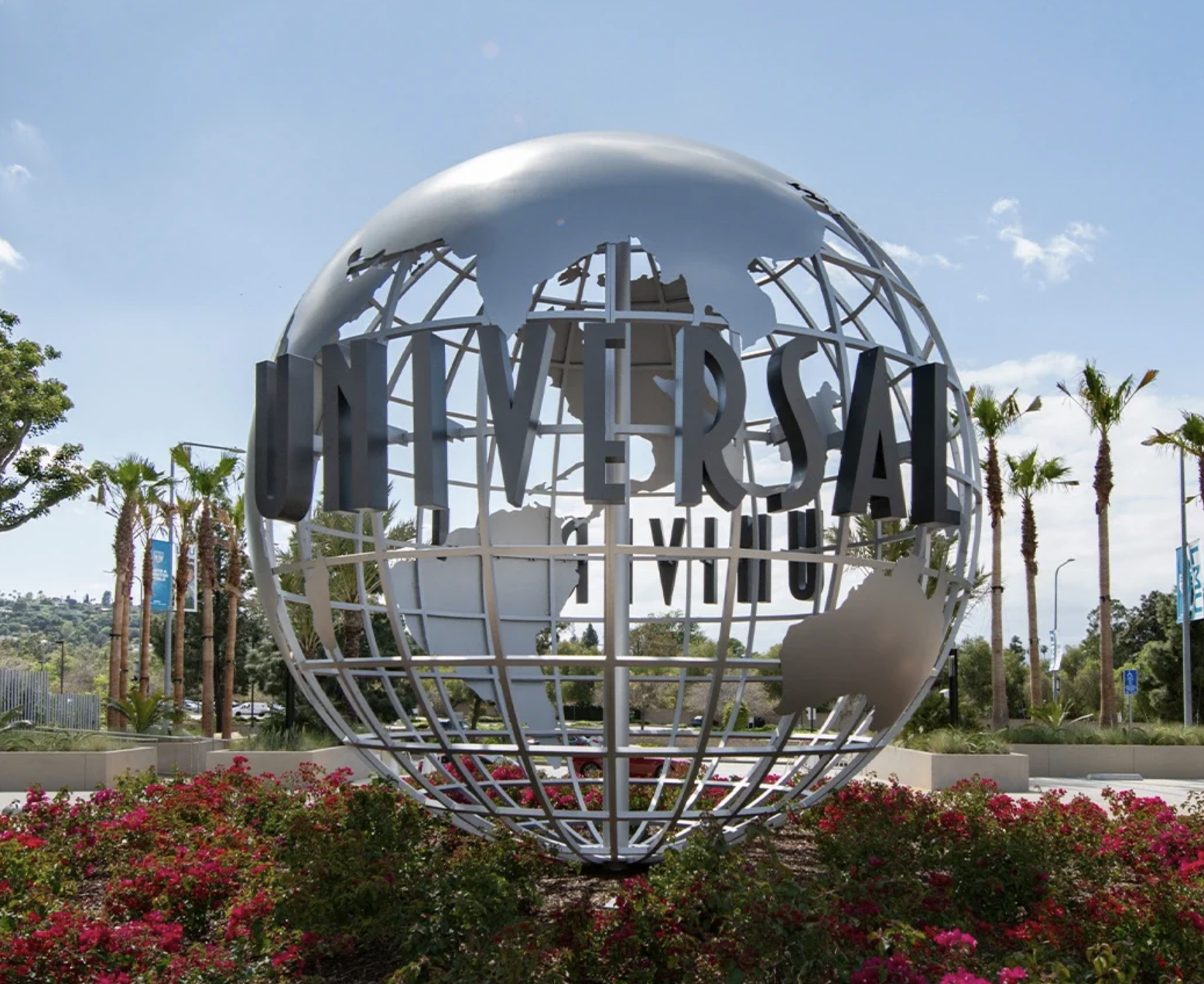
According to the Studio City Neighborhood Council, the San Fernando Valley will host key Olympic events: BMX freestyle, skateboarding, 3x3 basketball, and squash at Universal Studios. That means thousands of visitors looking for a place to stay — and Studio City homeowners are in the perfect position to benefit.

Why Studio City is Perfect for Airbnb

Explore more about Studio City real estate here

As a top realtor in Studio City, I see firsthand why this neighborhood appeals to travelers and homeowners alike:

  • Proximity to Olympic Venues – Universal Studios is practically next door.

  • Walkable Lifestyle – Ventura Boulevard offers boutique dining, cafes, and nightlife.

  • Always in Demand – With Hollywood, Beverly Hills, and the Valley within reach, visitors come year-round.

  • Architecture & Design – From Spanish Revival to sleek Mid-Century Modern, Studio City homes deliver the LA look guests love.

For those considering hosting, the Olympics only amplify what’s already true: Studio City has strong, consistent demand for short-term rentals.

The Olympic Effect on Property Value

Large events like the Olympics don’t just bring temporary visitors — they shine a spotlight on neighborhoods. In cities across the world, host neighborhoods saw an increase in short-term rental revenue and even long-term property values. Studio City is no exception.

If you’re a homeowner here, now is the time to think strategically: should you list your home for sale, or explore the income potential of an Airbnb?

Experience It Firsthand

Want to know what it’s like to stay in Studio City? Take a look at my own Airbnb, where I host guests looking to experience the best of LA living: [Insert your Airbnb link here].

Hosting gives me firsthand insight into what today’s guests are searching for — and how homeowners can capitalize on this demand. That’s part of why my clients trust me as a Studio City real estate expert.

Thinking About Your Next Move?

Whether you’re considering turning your home into an Airbnb, investing in Studio City real estate, or selling to capitalize on current demand, I can help you weigh the options.

📞 Call or text me anytime at 323-481-7353 to talk strategy.

Thinking about your next move in Studio City? Visit the Studio City Real Estate Guide or explore selling your Studio City home.

Thinking of Selling Your Studio City Home, But Not Ready to List?

Thinking of Selling Your Studio City Home, But Not Ready to List?

You love your home—but lately, you’ve been wondering: is it time for something new?

Whether you’re dreaming of more space, less maintenance, or a change of pace, there’s a moment between “maybe” and “market-ready” that matters. In Studio City, where every street has its own micro-market and every buyer is looking for something a little different, smart sellers know that timing is just one part of the equation.

This post is your blueprint for that in-between phase. Before you make a single update or call a stager, here’s what you should do:

Why Studio City Sellers Are Taking Their Time in 2026

In 2026, Studio City’s real estate market continues to be strong—but also strategic. Many homeowners are choosing to prep months in advance, optimizing their homes for the right buyer instead of rushing to market. High demand and tight inventory mean it’s worth planning a few steps ahead.

What to Do Before You List: Strategy Starts Early

Start with a valuation—not a Zestimate, but a local analysis that accounts for comps, market shifts, and buyer behavior in your specific pocket of Studio City. From there, identify low-lift improvements that will yield high returns. In some cases, that might be paint and staging. In others, it might be nothing at all.

Prepping Your Home: Smart Improvements That Add Value

Small upgrades like modern fixtures, lighting swaps, and landscaping can dramatically affect buyer perception. But not every project adds value. A good agent will help you choose updates that matter to this market, right now.

Pro tip: Even small details like plant placement can change how buyers feel about your home. Check out this article on the surprising power of plants when prepping your space.

Understanding Market Timing in Studio City

Spring and fall are traditional peak seasons, but Studio City doesn’t always follow the rules. Families might buy in May, while entertainment buyers show up between film shoots. Off-market showings and pre-list exposure can help you test the waters before you list.

When Off-Market Might Be the Right Move

For sellers who aren’t quite ready—or want more control over privacy, timing, or terms—off-market marketing can be a powerful tool. Ask me about Compass Private Exclusives, Top Agent Network, or how I quietly market listings before they hit the MLS.

Check my article about how I handle Pocket listings with care.

Let’s Talk Strategy—Not Just Sales

I’ve been selling homes in Studio City for over two decades. I know how to help sellers ease into the process and set the right pace, without pressure.

How I Help Clients Use This Time Strategically

Here’s how I help clients use this “pre-listing window” to their advantage:

  • We walk the property together and talk about what’s worth fixing—and what isn’t. (And yes, sometimes the most impactful staging is as simple as the right plants—here’s what I mean.)

  • I share what’s currently in escrow nearby, what buyers are offering, and where the market is showing signs of strength or softness.

  • We go over different paths to sale—including off-market options and quiet marketing strategies that don’t put your home on the MLS.

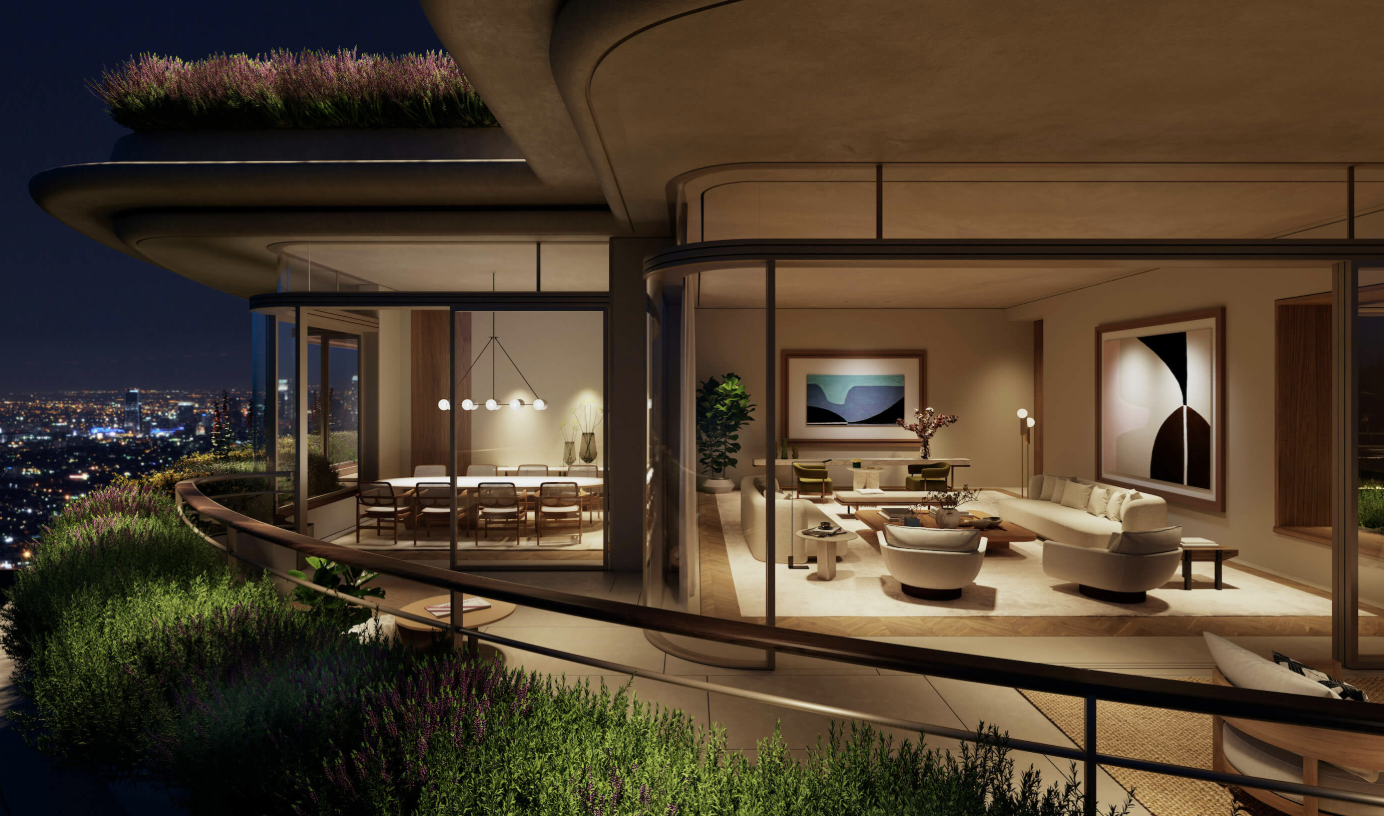
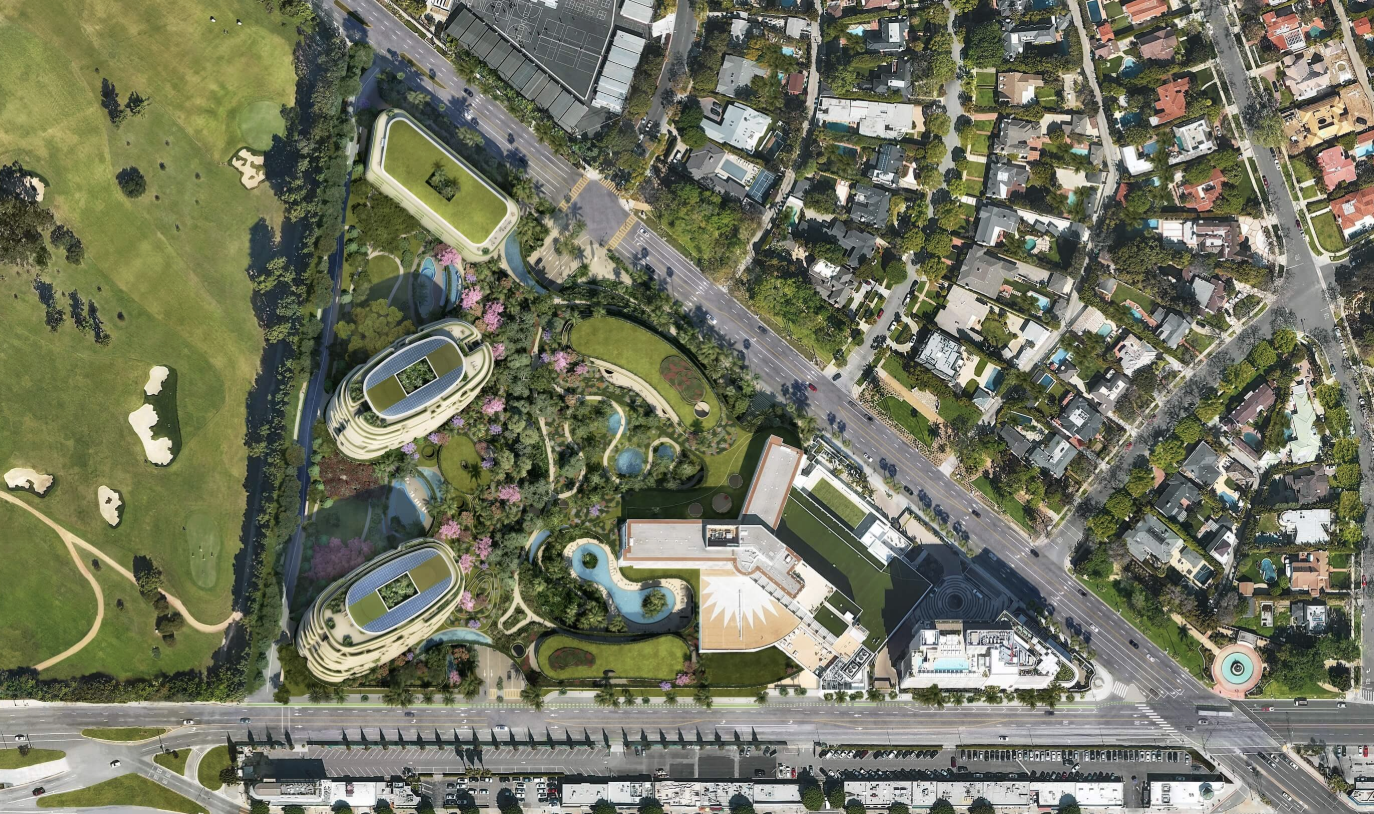
  • I’ll show you what top-tier listings in Studio City look like right now, from cozy remodels to ultra-luxury builds like Aman Beverly Hills, so we can see what resonates and what doesn’t.

    Selling doesn’t have to be sudden. You can take your time—and still move strategically.

📩 Reach out if you’re thinking about selling in the next 3–12 months. There’s a lot we can do before you list. Once you’ve decided to sell, see why professional staging makes all the difference in Studio City.

Book a Private Seller Consult

More Resources:

Explore Pasadena’s Next Route 66 Stop: A Modern Spin on a Historic Trail

🛣️ A New Chapter on an Old Road

Route 66 might conjure images of vintage motels and cross-country road trips, but Pasadena has always done things with a little more polish. And while most people know the Rose Bowl and Colorado Boulevard, there’s a quieter stretch that’s catching the attention of design lovers, walkable-neighborhood seekers, and yes—real estate watchers.

✨ The Next Stop: Washington Blvd & Allen Ave

Head just north of the main drag and you’ll find the new energy centered around Washington Boulevard and Allen Avenue. What used to be overlooked is now emerging as a pocket of possibility, where:

  • 📚 A curated indie bookstore shares a block with a minimalist coffee bar.

  • 🍝 A tiny handmade pasta spot books out weeks in advance.

  • 🪴 Modern home stores and hidden nurseries dot the corridor.

  • 🎨 Mid-century and Mission Revival architecture still hold court between newer infill homes.

It’s walkable. It’s quietly stylish. And it still feels like a secret.

🏡 Why Buyers Are Paying Attention

For anyone priced out of Los Feliz, Altadena, or Highland Park, this area offers:

  • Larger lots and established homes

  • Access to the Gold Line for commuters

  • A strong school district without a bidding war

It's the kind of neighborhood that doesn’t shout—but still makes an impression.

🗺️ Local Favorites (So Far)

While this part of Route 66 is still filling in, here are a few spots worth bookmarking:

  • Seed Bakery – Sourdough done right with a cult following

  • Lavender & Honey Espresso Bar – Cozy, casual, and hyper-local

  • The Stoneware Co. – Modern ceramics and housewares

  • The Rancho – Mid-century lovers, take note: nearby homes with original detailing pop up here more often than you'd think

🔑 Real Estate Note: Watch This Strip

This isn’t a neighborhood that’s overexposed on Zillow—yet. Inventory is low, prices are rising, and homes don’t sit. If you’re looking for something architecturally interesting with long-term upside, this might be the pocket to watch in Pasadena.

💬 Thinking of Buying Near Route 66?

Let’s talk strategy. Whether you’re just curious or actively looking, I can help you scout the neighborhoods most people miss.

[Contact Me] or check out my post on [Off-Market Homes in Pasadena] (coming soon).

Studio City Real Estate – What You Get at $1M, $2M, and $3M+

Studio City has long been one of LA’s most sought-after neighborhoods for good reason: walkable streets, canyon views, great schools, and a surprising amount of charm for an area that sits just over the hill from Hollywood. But what can you actually buy here—and how far does your money go?

We broke it down by price point:

At $1M: Charming Starter Homes or Small Condos

  • Likely a 2BR/1BA or small 3BR/2BA around 1,000–1,300 sq ft

  • Traditional bungalows or postwar homes, often updated

  • Some units in gated communities or small complexes

  • Walkable to Ventura Blvd, but usually not in the hills

Example: Updated mid-century 2BR near Laurel Canyon—1,150 sq ft with original hardwoods and modern kitchen.

At $2M: Updated Homes with a Yard, Some Mid-Century Gems

  • 3–4 bedrooms, 1,800–2,500 sq ft

  • More architectural options: mid-century moderns, classic ranch homes, newer construction

  • Often with a pool or large yard

  • Closer to Fryman Canyon, sometimes in coveted school districts

Example: 1960s hillside modern with walls of glass, pool, and outdoor entertaining space near Carpenter Charter.

At $3M+: Luxe Living and Canyon Views

  • 4–5+ bedrooms, 3,000+ sq ft

  • Gated estates, newer builds, designer renovations

  • Prime Studio City hills with sweeping views and privacy

  • Often owned by industry insiders or creatives who value proximity to the studios

Example: Sleek architectural with glass walls, infinity pool, and outdoor kitchen—moments from Mulholland.

Wondering what your budget could get you in Studio City—or if a pocket listing might be the right move? Let’s talk. I’ve helped buyers find hidden gems even in tight markets.

🔗 Explore More Studio City Insights

Luxury Listings and the Dreaded Days on Market

Why Timing, Strategy—and Sometimes Privacy—Matter More Than Price

In Los Angeles’ luxury real estate market, Days on Market (DOM) isn’t just a metric—it’s a message. And once that number creeps past a certain threshold, it starts to raise questions buyers don’t even have to say out loud: Why hasn’t this sold yet? What’s wrong with it?

According to Concierge Auctions’ 2025 Luxury Homes Index, luxury properties that stay on the market more than 180 days end up selling for an average of 80% of their original list price. That’s a significant drop compared to homes that sell within 180 days, which average 87% of list price. Even more sobering: homes that don’t sell in that first 6-month window tend to sit for 569 days on average.

So how do you avoid that kind of stagnation?

The Truth About High-End Listings

Luxury and ultra-luxury homes aren’t typical. They don’t have a large buyer pool, and the right buyer may not even be actively looking—yet. So the idea that a simple price cut will bring in traffic? It’s outdated.

As Concierge Auctions CEO Chad Roffers puts it:

“The problem wasn’t the price. The problem was that the pool of buyers for your house is small, if not very small, and cutting the price isn’t going to expand the pool of buyers.”

What Does Work?

  • Have hard conversations by Day 90—not Week 23.

  • Use strategy, not just price drops. Reposition. Re-market. Consider a different lens entirely.

  • Introduce alternative approaches early: Private sales, global outreach, and yes—auctions—can all help drive urgency and competition without lowering value.

The Case for Pocket Listings in Los Angeles

Some of the most desirable homes in LA never even hit the MLS. That’s not a failure—it’s a strategy. Pocket listings allow for privacy, discretion, and curated exposure to serious buyers. When handled correctly, a pocket listing can generate quiet momentum that sells a property before the “DOM clock” ever starts ticking.

And if you’re a seller who isn’t quite ready to go live—or who values privacy over traffic—a pocket listing might be your best first move.

I’ve helped clients sell high-end homes quietly and strategically—no MLS needed. Get in touch →

Final Takeaway: The Clock Starts Sooner Than You Think

Luxury properties are like couture: they don’t appeal to everyone, but they deserve a tailor-made approach. And in a market where buyers rely heavily on days on market data—even when it’s misleading—getting your strategy right early matters more than ever.

Whether it’s a pocket listing, an auction, or a fresh marketing pivot, luxury homes sell best when they’re positioned with purpose.

More from the Blog Network

Explore more stories on strategy, lifestyle, and off-market real estate:

🧭 From DebbiePisaro.com
– Next Chapter for Real Estate Agents →
What veteran agents are doing differently in today’s shifting market.
How Trust-Based Marketing Wins Listings
A better strategy for luxury sellers than chasing the next price cut.

🌴 From Coastline840.com
– What Happens When the Next Chapter Involves a Move →
Selling, buying, or both—this guide breaks it down.
– Discover the Most Unique Wineries in Paso Robles →
Because sometimes your second home starts with your favorite bottle.

🏡 From LosFelizLiving.com
– Driving Through The Oaks Tells the Story →
A look inside one of LA’s most coveted, mostly off-market neighborhoods.
7 Dog-Friendly Spots in Los Feliz
Real neighborhood favorites—no influencers needed.

Pacific Palisades Rebuild: Fire Recovery, Real Estate Trends, and Streamlined Permitting in 2025

🔥 The Aftermath of the Palisades Fire

Pacific Palisades, an iconic Los Angeles neighborhood known for its idyllic charm and multimillion-dollar homes, recently faced one of the most devastating urban wildfires in U.S. history.
The January 2025 fire left a stark landscape of burned-out homes and complicated questions about the future.

In the wake of the disaster, surviving homes experienced varying degrees of damage, primarily from smoke and toxic ash.
Real estate experts have termed these properties “smokers,” requiring extensive remediation efforts costing upwards of $1.5 million. Homes deemed unsalvageable face rebuilding expenses estimated around $7 million.

Despite the catastrophe, property values remain surprisingly resilient, with experts confident the area’s desirability will rebound quickly, predicting substantial appreciation within the next few years.

📈 Economic and Real Estate Dynamics

Before the fire, the average home price in the Palisades stood at $5.15 million, highlighting its elite status in Los Angeles real estate.
Post-fire, undeveloped land plots ("dirt") continue to sell briskly, though at reduced prices.
Investors and developers see the area as ripe for opportunity, although many longtime residents fear losing their community to outside speculators.

🏛️ Rick Caruso’s Role in Rebuilding

Rick Caruso, the developer behind The Grove and owner of the Palisades Village, has emerged as a central figure in the neighborhood’s recovery.
His privately funded firefighting team successfully protected his retail center during the blaze — symbolizing his influence and preparedness.

In the aftermath, Caruso launched a nonprofit, Steadfast, aimed at accelerating rebuilding efforts by reducing bureaucratic red tape.
The group includes industry heavyweights like Netflix’s Ted Sarandos and Amazon MGM’s Mike Hopkins, with prefab housing leaders pledging to donate homes to fire victims.

Caruso has advocated for around-the-clock construction, underground power lines, enhanced private security, and rebuilding new infrastructure, schools, places of worship, and homes — envisioning an even more exclusive and desirable Palisades.

While many residents appreciate his leadership, others express concern about the long-term impact of accelerated development on the community’s character — and Caruso’s personal influence over the neighborhood's future.

⚡ Streamlined Permitting: A New Citywide Effort

In February 2025, Los Angeles Mayor Karen Bass issued two executive orders to further expedite rebuilding:

  • Waiving permit and plan check fees for homes destroyed or damaged by the fires

  • Allowing qualified architects to self-certify plans

  • Implementing AI tools to help with zoning and building code compliance

The idea: make rebuilding faster, easier, and less costly for displaced homeowners.

As of April 22, the city reported:

  • Only 23 permits issued,

  • Covering 16 addresses in the Palisades.

While the program marks major progress in city policy, the low number of permits reflects the deep challenges homeowners still face — from insurance delays to construction logistics.

🚧 Challenges: Insurance, Infrastructure, and Logistics

Rebuilding remains enormously complex and expensive.
Many residents have discovered large gaps between insurance payouts and actual reconstruction costs.
California’s state FAIR insurance plan caps fire coverage at $3 million — far short of what’s needed for custom luxury rebuilds.

Infrastructure upgrades — like burying power lines underground to prevent future fires — add even more financial strain and logistical delays.
Ongoing construction is expected to disrupt local traffic and services for years to come.

🏡 Preserving Community Character

Community leaders and longtime residents are fighting to preserve the neighborhood’s small-town feel.
There’s strong resistance to selling land prematurely to outside developers, with many homeowners advocating patience and strategic rebuilding to maintain Pacific Palisades' unique charm and character.

🔮 The Future of Pacific Palisades

Pacific Palisades stands at a major crossroads.
Rapid redevelopment offers a path to recovery and modernization — but also risks changing the very soul of this storied community.
Over the coming years, residents, developers, and city leaders will play critical roles in defining the next chapter for one of Los Angeles’ most beloved neighborhoods.

Ultimately, the Palisades’ recovery could set a powerful new standard for luxury living — and for how communities rebuild after natural disasters.

Your Next Chapter as an Agent Doesn’t Mean Giving Up Your Career

After years (or decades) in this business, you've built something real. Not just a client list—but relationships, trust, and a reputation. But maybe now, you're ready to slow down. Travel more. Spend time with family. Focus on life outside the market.

That doesn’t mean walking away.

We created the Next Chapter Initiative to give experienced agents like you a way to step back—without stepping out completely.

🌱 What Is the Next Chapter Initiative?

It’s a simple idea with long-term value:
Let experienced, relationship-driven agents continue to earn commission by referring business, mentoring select clients, or co-branding with our team—without the daily hustle.

No cold calls. No open houses. No 10 p.m. text negotiations.

Just a clear path to:

  • Keep your referral income active

  • Maintain relationships with your clients and sphere

  • Feel proud of how you transition your business

👩‍💼 Who Is This For?

  • Long-time agents thinking about retiring in the next 1–3 years

  • Agents who want to relocate, but still serve SoCal clients

  • Professionals looking for more work-life balance, but not ready to let go entirely

  • Agents with niche expertise (architecture, equestrian, wine country, etc.) who want to pass that knowledge on

🛠️ How It Works

We work with each agent individually to design a plan that fits your goals. Some options include:

  • Referral-Only Model
    Hand off warm leads to our team and collect a negotiated commission on closed deals—no strings attached.

  • Legacy Partnership
    Stay visible in your community, but let us take on the marketing, showings, and paperwork.

  • White-Label Support
    Prefer your name to stay on the transaction while we support behind the scenes? We’ve got you.

  1. Every agent’s "next chapter" looks different. Let’s build yours.

    💼 Why This Matters

    Your clients trust you. They’ve likely worked with you for years. When you transition out of the business, they still need someone to guide them—and you should have a say in who that is.

    We’re here to honor that trust, protect your client relationships, and make sure you continue to benefit from the business you’ve spent a career building.

    ✨ Ready to Explore What’s Next?

    You don’t need to make a big announcement. You don’t need to have it all figured out. You just need to start the conversation.

    📩 Learn more about the Next Chapter Initiative →
    📞 Or get in touch directly for a confidential chat about what’s possible.

What It’s Really Like to Build an ADU in California (And What No One Tells You)

Thinking About Building an ADU?

If you’ve considered adding an Accessory Dwelling Unit (ADU)—aka a guest house, granny flat, or backyard casita—to your property in California, you’re not alone. With rising home prices and flexible zoning laws, ADUs have become one of the most popular ways to expand living space, generate rental income, or create multigenerational housing.

But the path from idea to keys-in-hand? It's rarely as simple as the brochures make it seem.

Here’s what it’s really like to build an ADU in California—and what to know before you dive in.

1. Permits Are Easier—But Not Always Easy

Thanks to statewide ADU legislation, cities are required to allow ADU construction on most residential lots. But while the rules are more favorable than ever, the permit process can still be slow, confusing, and deeply dependent on your local jurisdiction.

Expect:

  • Design review delays

  • Variations in setback and height rules

  • Pushback if your site is in a historic or hillside overlay zone

Tip: Work with an architect or builder familiar with your city’s quirks. LA’s process is very different from Santa Barbara’s or Pasadena’s.

2. Construction Costs Vary Wildly

Building an ADU can cost anywhere from $150K to $400K+, depending on size, finishes, and site conditions. Even if you're building a prefab or modular unit, foundation, utility hookups, and site prep can significantly increase your budget.

As of 2025, new tariffs on steel, lumber, and appliances are further pushing up costs.
📎 Read how tariffs are impacting real estate on Coastline840.com

3. Timelines Are Longer Than Expected

Even with a streamlined design and a great contractor, most ADUs take 12–18 months from start to finish. Permitting, site work, inspections, and final approvals can each create delays—especially if you’re building in a high-demand city like Los Angeles or San Diego.

Hot tip: Start the utility disconnect/reconnect process early—especially with LADWP or SoCal Edison.

4. Financing Isn’t Always Straightforward

If you’re not paying cash, you’ll need to explore:

  • Cash-out refinance

  • HELOC

  • Renovation loans (like RenoFi or FHA 203(k))

  • Or newer construction bridge loans

Some lenders still don’t fully understand ADU valuation, which can complicate things during the underwriting process. Work with a lender familiar with ADU projects or a real estate advisor who’s navigated this path before.

5. The Long-Term Upside Is Real

Despite the challenges, building an ADU in California can be incredibly rewarding:

  • Rental income

  • Property value boost

  • Flexible living for family or guests

  • Potential for aging in place or future resale appeal

And unlike traditional additions, ADUs often come with separate addresses, meters, and privacy—making them more versatile for changing life stages.

Final Thoughts

Building an ADU is one of the smartest things you can do in California real estate—but it’s not a weekend project. With careful planning, realistic expectations, and the right team, you can create something that adds both personal and financial value for years to come.

Want to talk through your ADU plans—or tour homes already built with one?
📩 Contact me and I’ll walk you through what’s possible in your area, and read how tariffs are impacting real estate on Coastline840.com

PS - Ask me for my ADU building checklist to up your game!

Altadena's Long Road to Rebuilding After the Eaton Fire

🔗 Related Reading

For insights on how neighboring communities are navigating post-wildfire recovery, read our recent article on Pacific Palisades' rebuilding efforts.​

🔥 A Community Still Waiting

After the devastating Eaton Fire swept through Altadena in January 2025, the road to recovery has proven longer and more difficult than many expected.
As of April 2025, not a single private homeowner in Altadena had received a finalized permit to begin rebuilding — a stark reminder of the challenges that follow in the wake of natural disasters.

The delay has added a painful layer of uncertainty to an already traumatized community, forcing residents to navigate a maze of county departments, insurance hurdles, and financial strain.

🏗️ The Permitting Bottleneck

While city officials in Pacific Palisades have moved quickly to streamline rebuilding efforts after similar wildfire destruction, Altadena’s rebuilding process has remained stuck in bureaucratic gridlock.

Many homeowners in Altadena have found the process slow and confusing, often encountering:

  • Multiple department reviews

  • Limited staffing and processing resources

  • No clear timeline for permit approvals

Without an expedited pathway, hundreds of families remain displaced, with no clear sense of when they will be able to return.

🛠️ Federal Cleanup Progress

There is a glimmer of progress:
Federal cleanup efforts are moving ahead of schedule, offering hope that full-scale rebuilding will soon be possible.

The U.S. Army Corps of Engineers has already cleared debris from approximately 1,900 properties, with the majority of cleanup expected to be completed by late summer or early fall 2025 — significantly ahead of the original January 2026 timeline.

The cleanup involves a two-phase approach:

  • Phase 1: Removal of hazardous materials like asbestos, batteries, and propane tanks

  • Phase 2: Clearing of structural debris and soil stabilization

To protect residents during cleanup, air monitoring stations and dust suppression measures have been put in place.

🏡 First Rebuilding Permit Issued

A significant milestone was reached in April 2025 when Los Angeles County issued its first rebuilding permit for a home destroyed in the Eaton Fire.
The permit was granted for a property on North Olive Avenue, and the reconstruction will be led by San Gabriel Valley Habitat for Humanity.

This follows the creation of a Unified Permitting Authority designed to speed up approvals and consolidate the process under one roof — a critical step for getting more residents back home faster.

💰 Financial Pressure Mounts

The cost of rebuilding a typical home in Altadena is substantial — estimates start at $262,000 or more, not including debris removal, upgraded code compliance, or rising construction costs.
Many insurance payouts fall short of what is needed, especially as private insurers pull out of the California wildfire market, forcing residents to rely on the state's limited FAIR Plan coverage.

Without significant outside funding or personal investment, many families are struggling to bridge the gap between insurance settlements and real-world rebuilding costs.

📅 Important Deadlines and Assistance

  • Right-of-Entry (ROE) Forms for debris removal must be submitted by April 15, 2025, to participate in the federally sponsored cleanup programs.

  • FEMA Assistance is available for residents whose homes were damaged but remain livable, with grants up to $300 for basic cleanup.

🧠 Preserving Altadena’s Community Fabric

Altadena is beloved for its historic charm and tight-knit residential atmosphere.
Many residents worry that if rebuilding drags on too long, outside investors and developers could change the community’s character by buying up distressed properties.

Local leaders continue to advocate for a rebuilding approach that prioritizes homeowners, respects the history of the area, and protects the community’s unique identity.

🔮 Looking Ahead

While progress is finally being made — with debris clearing ahead of schedule and permits beginning to move — the road to full recovery remains long.
The rebuilding of Altadena isn’t just about new homes; it’s about preserving the spirit of a community that has stood for generations.

Altadena’s future will depend on resilience, collaboration, and a shared commitment to rebuilding not just structures, but the very heart of the neighborhood.

Why I Love and Follow the Prof G Hustle Test on Brands

My Friend Scott G

My Friend Scott Galloway

In business and in life, the brands I trust most are the ones that save me time and simplify my decisions. That’s why I live by the Prof G Hustle Test, a simple but powerful framework created by NYU marketing professor and entrepreneur Scott Galloway. It’s become one of my go-to ways to filter through the noise and choose the best tools, services, and partners for my real estate business—and life beyond it.

What Is the Prof G Hustle Test?

At its core, the Prof G Hustle Test asks one essential question:
How much hassle does this brand eliminate from your life?

If a product or service helps you move faster, think less, or feel more confident in your choices, it passes the test. Think of brands like Apple, Airbnb, or Amazon—each one earns loyalty not just by what it offers, but by how effortlessly it delivers.

Why This Matters in Real Estate

As a full-time real estate agent, designer, and investor, I make hundreds of decisions every week. I work with buyers, sellers, builders, and families—each with their own timelines and goals. But no matter the client or the price point, one thing remains true: time is everything.

I use the Hustle Test to:

  • Choose platforms that help me market homes faster

  • Vet vendors, contractors, and stagers

  • Recommend tools and services to my clients

  • Decide which brands to trust in my own business and personal life

If something adds more friction than it removes, it’s not for me—or for my clients.

“The fewer hoops I have to jump through, the more likely I am to use—and recommend—a brand. That’s the magic of the Hustle Test.”

It’s Not Just Business—It’s a Lifestyle Filter

This framework has become more than a business lens—it’s a lifestyle filter. Whether I’m booking a trip, managing my Airbnb, or choosing home products for a staging project, I always ask:
Does this make my life easier?

The best brands pass this test effortlessly. And when they do, they build long-term loyalty—not just with me, but with every client, friend, and colleague I recommend them to.

How I Use the Hustle Test in My Next Chapter Strategy

One of the most important ways I apply the Hustle Test is through my Next Chapter Initiative—a concierge-style service I offer to clients navigating a big transition: downsizing, upsizing, leaving Los Angeles, or starting fresh somewhere new.

This isn’t just real estate—it’s real life. And I’ve designed the entire experience to remove hassle and create clarity. From handling logistics to connecting you with trusted vendors, my goal is to make the process seamless and smart, start to finish.

👉 Learn more about the Next Chapter Initiative at Coastline 840

Why You Should Try the Hustle Test, Too

If you’re running a business, managing a household, or simply trying to be more intentional about how you spend your time, the Prof G Hustle Test is a great tool. It helps you:

  • Identify the brands worth investing in

  • Eliminate unnecessary complexity

  • Prioritize tools and services that actually work

  • Build loyalty by creating ease, not effort

And if you’re building a brand? Passing this test should be your North Star.

A Quick Shoutout to Prof G’s New Book

If you haven’t read it yet, I highly recommend Scott Galloway’s latest book: The Algebra of Wealth: A Simple Formula for Financial Security. It’s insightful, honest, and surprisingly personal—and it’s a perfect companion to the hustle test mindset. A great read whether you’re building a business or planning your future.

Less Hassle, Better Living

Following the Prof G Hustle Test has helped me stay focused, save time, and build a business that’s both strategic and sustainable. The brands that make my life easier are the ones I trust, invest in, and share with my clients—and that’s a win on every level.

👋 Want to work with someone who values time, simplicity, and strategy?
I bring this mindset into every real estate transaction I handle. Contact me here to start your next chapter—without the hassle.