Ray Kappe (1927 to 2019) was a Los Angeles architect, educator, and FAIA member who founded the Southern California Institute of Architecture, SCI-Arc, in 1972 and designed more than one hundred residences. His own 1967 home in Pacific Palisades, Historic-Cultural Monument 623, is widely considered his masterpiece.
Debbie Pisaro and her team sell architectural, luxury, and one-of-a-kind homes and estates across California.
He founded the school that trained a generation of architects, and he designed homes of redwood, glass, and light that feel less built than grown into the land.
Powered by Side: #1 California-based brokerage, No. 9 in the nation.
The Ray Kappe homes for sale in any given year can be counted on one hand, and buyers who want one track the architect, not the listings. If a Los Angeles modern home makes you feel calm the moment you walk in, warm wood overhead, glass dissolving the walls, light arriving from unexpected places, there is a good chance you are feeling Kappe's influence. He founded SCI-Arc, designed more than one hundred residences, and taught the city a warmer way to be modern. This is the record an architectural real estate agent Los Angeles buyers and sellers rely on should keep, so here it is.
Who was Ray Kappe?
Ray Kappe was a builder of two things, houses and architects, and it is genuinely hard to say which mattered more. He graduated from U.C. Berkeley in 1951, apprenticed under Carl Maston, and opened his own Los Angeles practice in 1954, refining a warm, humane modernism across more than one hundred residences over six decades. In 1968 he became the founding chairman of the architecture program at Cal Poly Pomona, and in 1972 he walked away from it to start something with fewer rules.
That something was SCI-Arc, the Southern California Institute of Architecture, which Kappe founded with his wife Shelly Kappe, Thom Mayne, and a small breakaway faculty, and led as its first director for fifteen years. The school became one of the most influential in the world, and its founder collected nearly every honor his profession gives, including the Richard Neutra Medal, the AIA California Maybeck Award, the AIA Los Angeles Gold Medal, and the Topaz Medallion for architectural education. His papers now live at the Getty Research Institute, which tells you how the record regards him. Debbie Pisaro keeps Kappe at the center of her architects guide because his work defines a whole strain of Los Angeles architecture.
What defines a Kappe house?
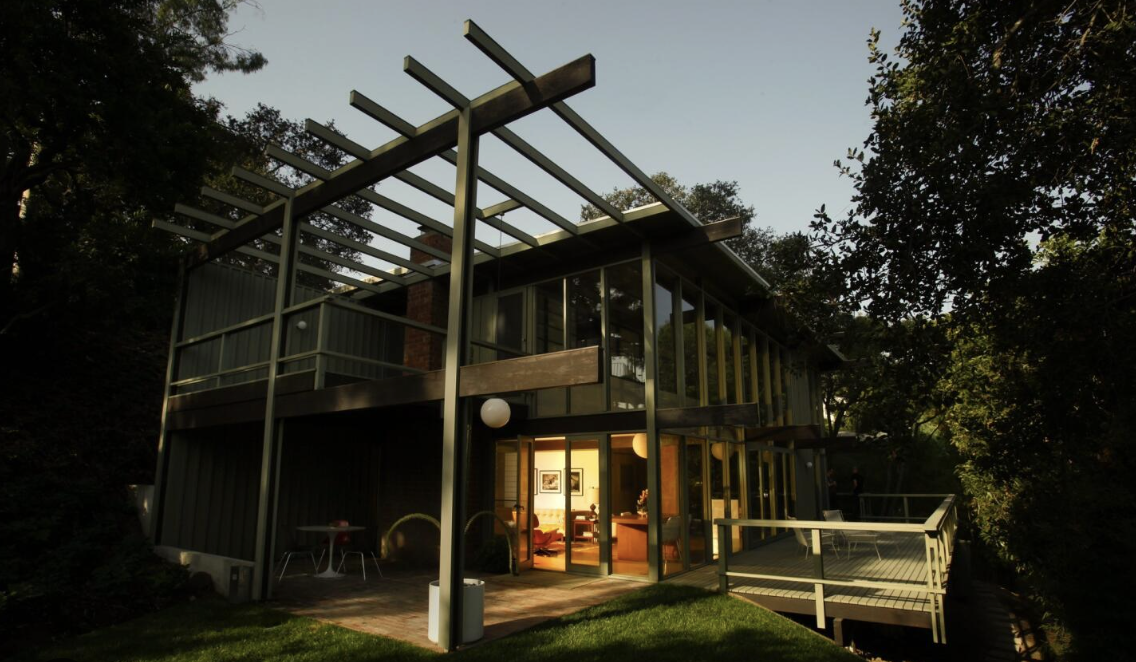
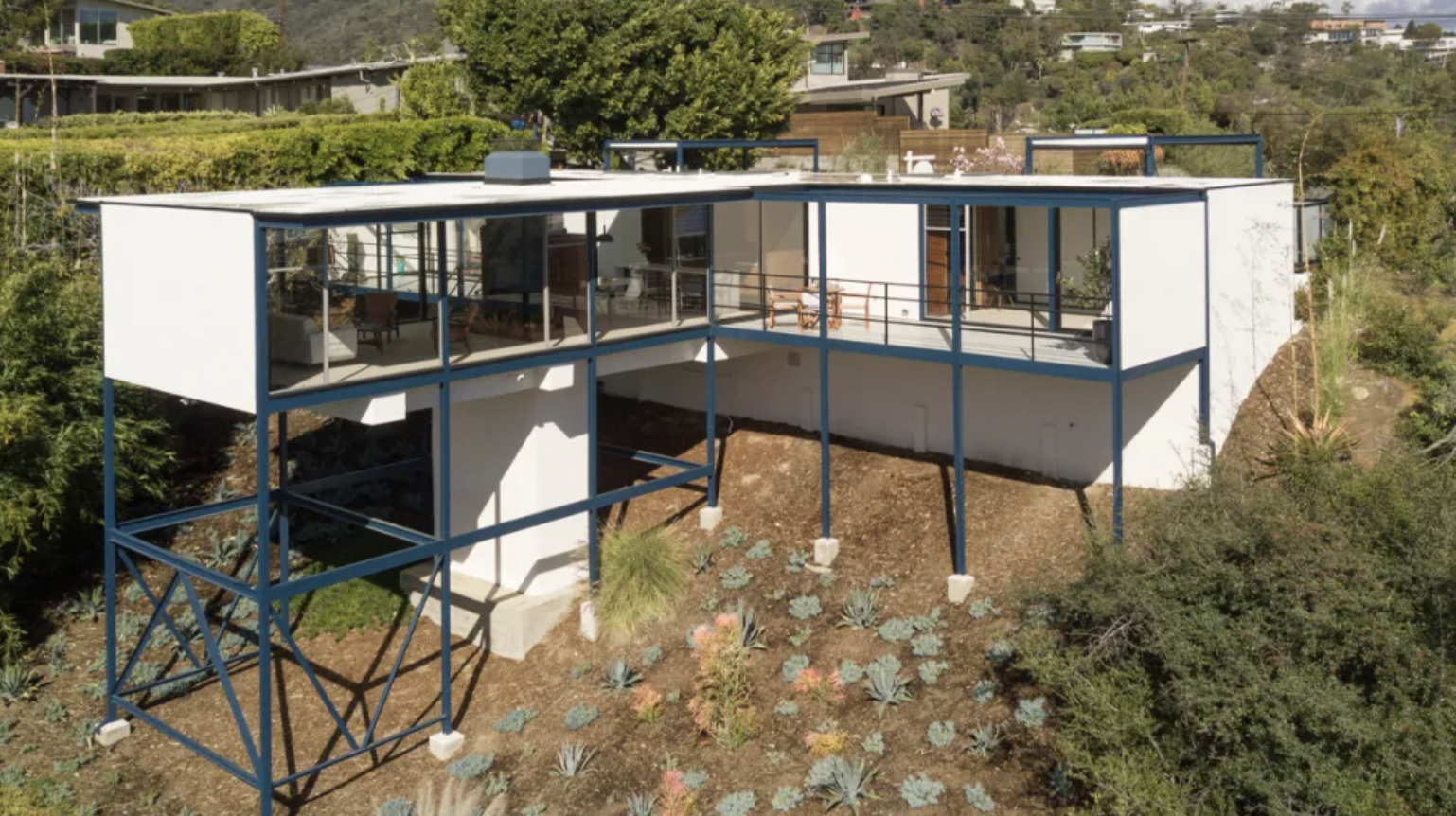
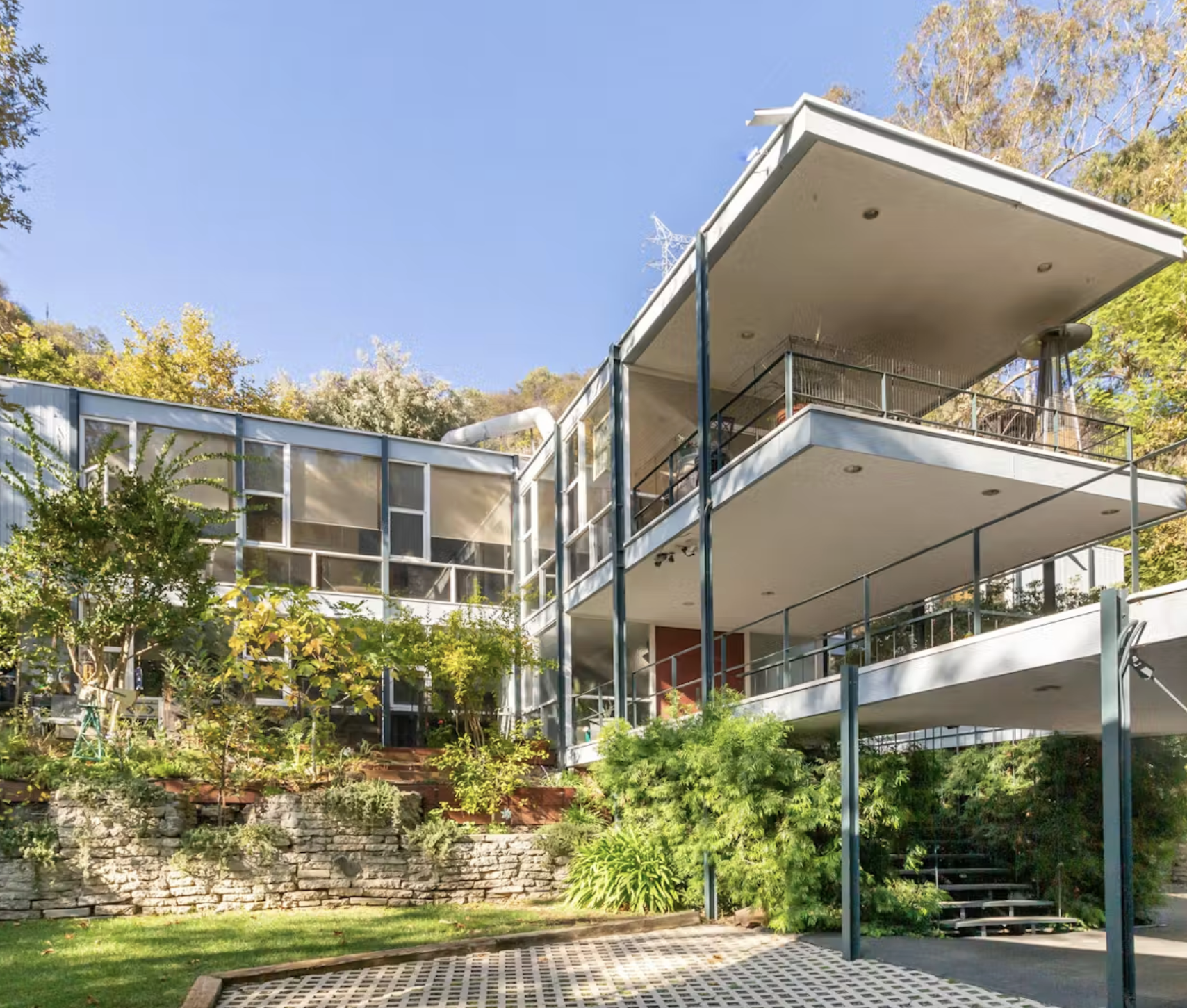
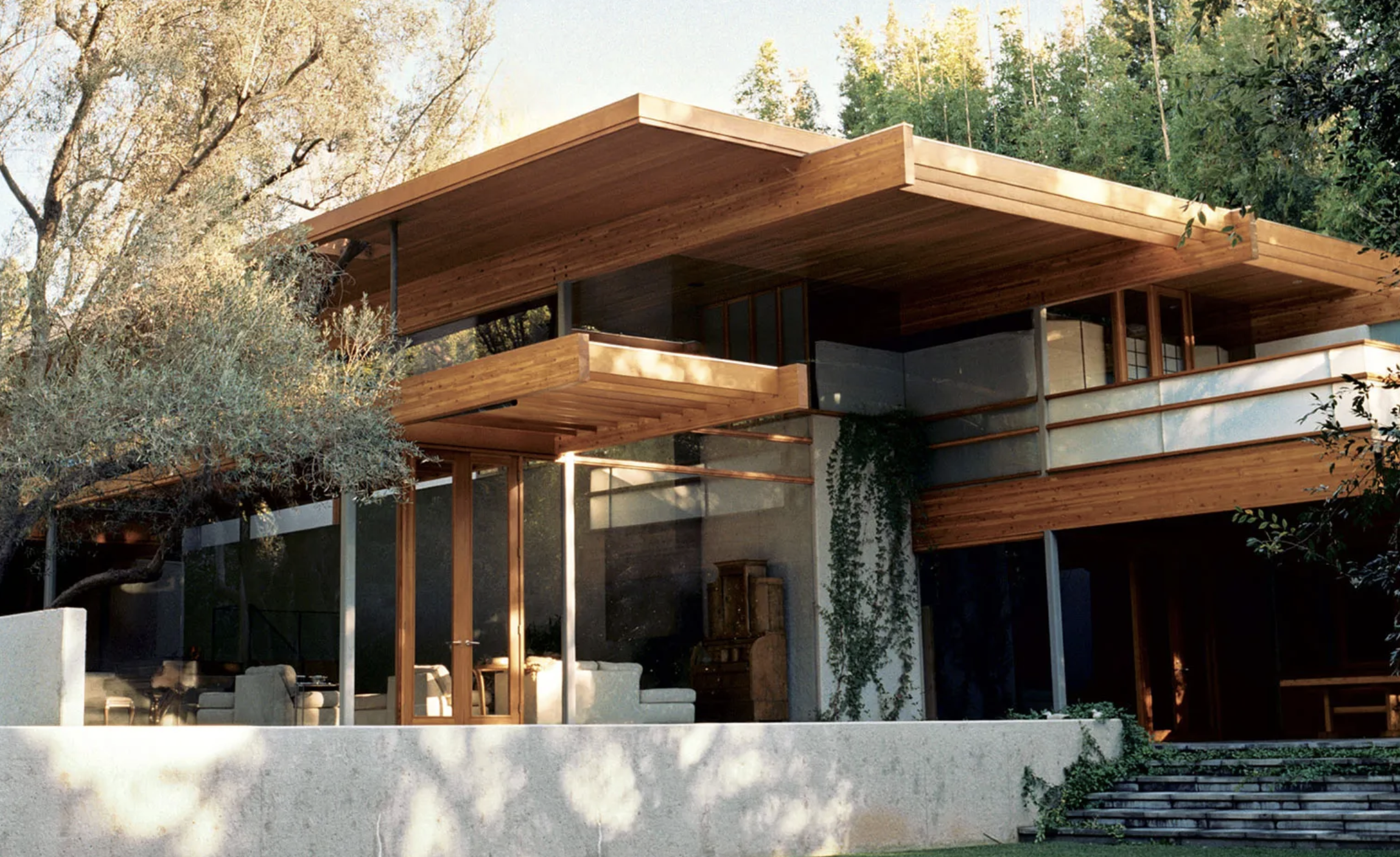
A Kappe house is warm modernism at full strength: post-and-beam structure with the laminated wood beams left exposed, redwood and natural materials where other modernists used plaster, walls of glass, generous skylights, and open split-level plans that step with the land instead of flattening it. The structure is the aesthetic, and the light is the luxury.
Where some modernism prizes white walls and hard edges, Kappe used wood and carefully composed daylight to make modern space feel enveloping. His rooms borrow light and volume from one another across half-level changes, and his houses engage their sites, stepping down slopes, bridging difficult terrain, opening to canyons, so the architecture and the landscape become one experience. Debbie Pisaro has walked buyers through enough of these houses to know the tell: people lower their voices when they come through the door of a real one, the way they do in buildings that have earned it.
What is the most famous Ray Kappe house in Los Angeles?
The most famous Ray Kappe house is his own: the 1967 Kappe Residence at 715 Brooktree Road in Pacific Palisades, designated Los Angeles Historic-Cultural Monument 623 and named in 2008 to a Los Angeles Times expert panel's list of the ten best homes in Southern California. Seven split levels of redwood and glass ride on concrete towers above a spring-crossed canyon slope, and every idea he taught comes together in it.
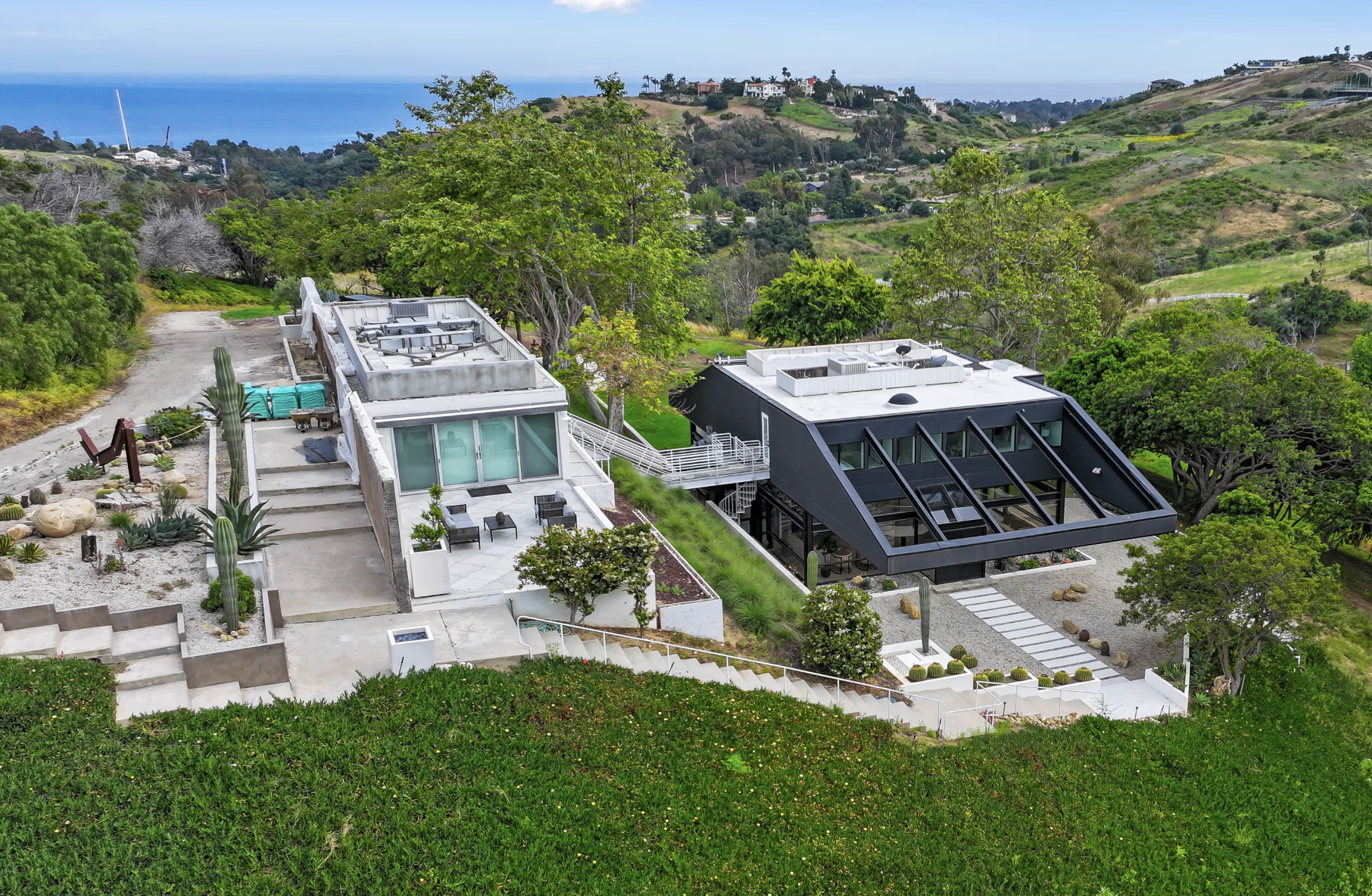
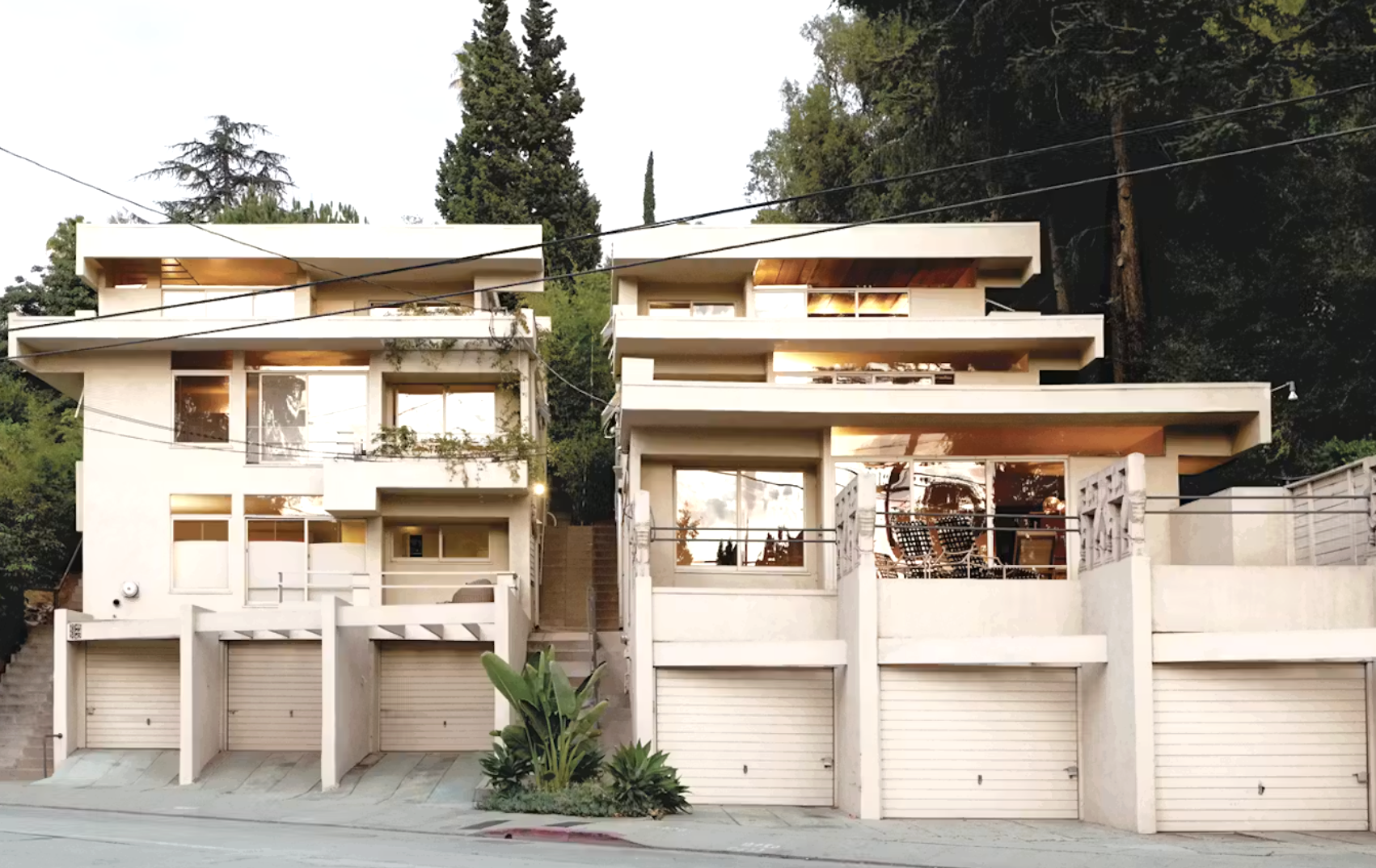
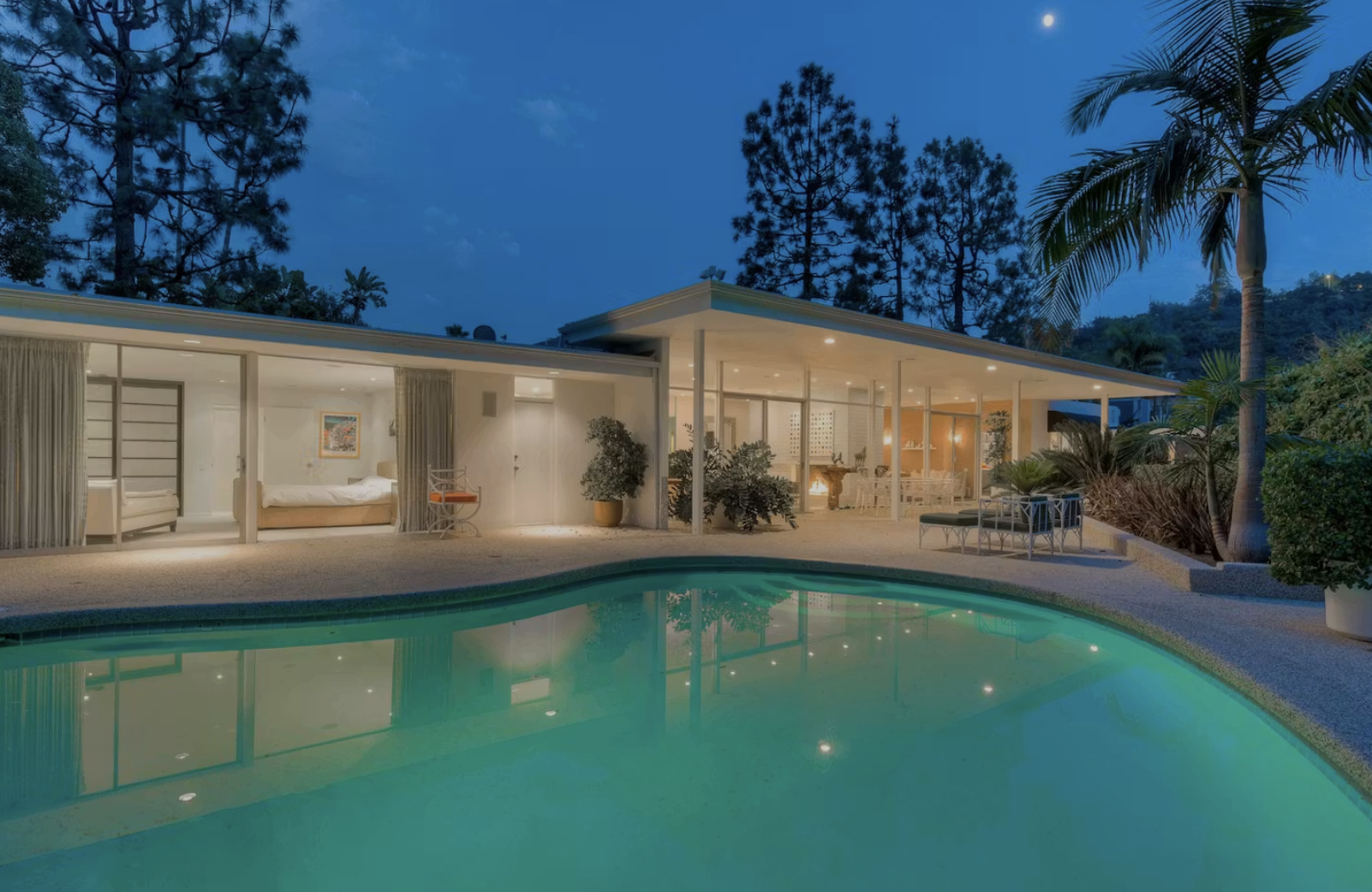
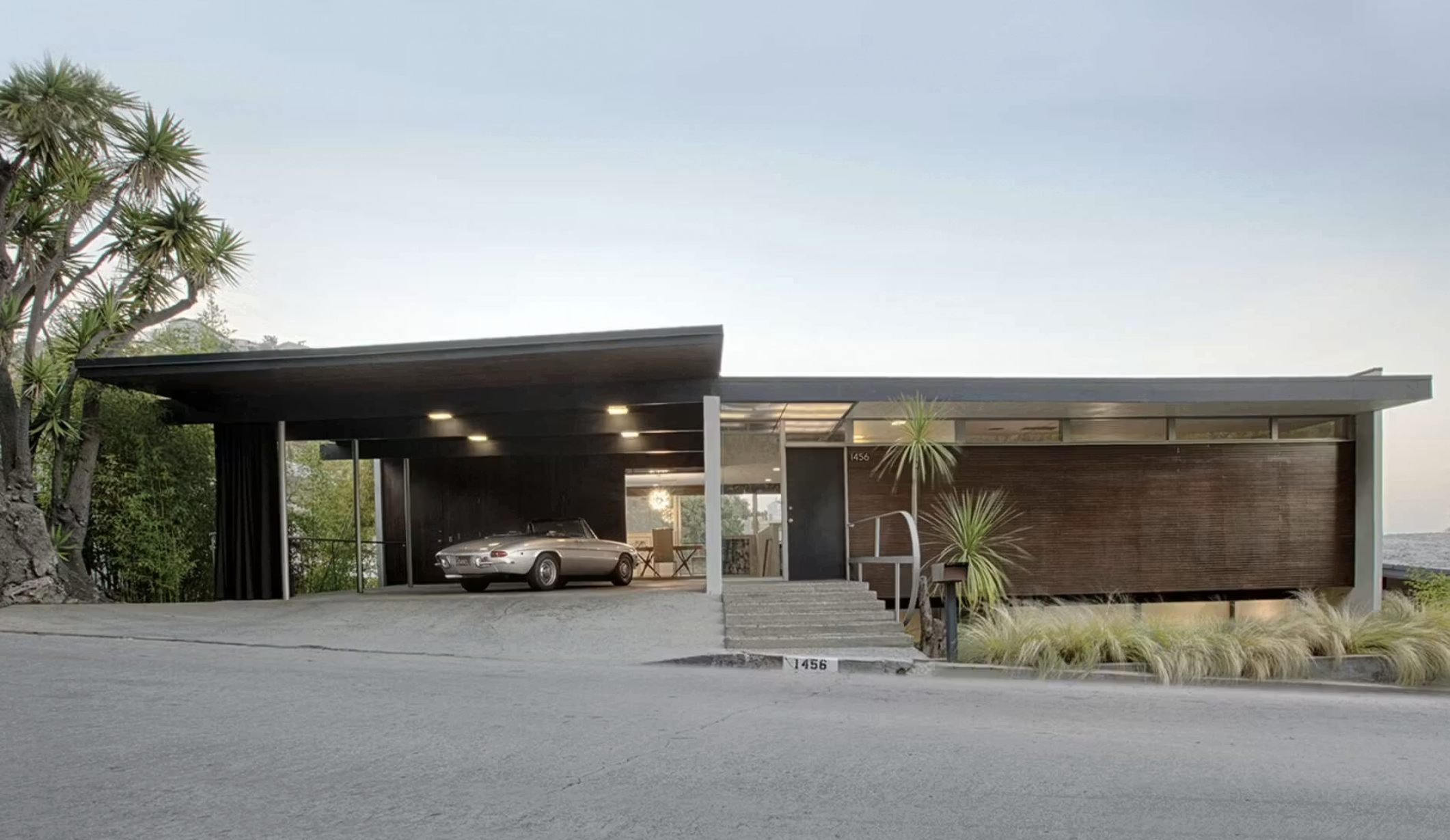
Debbie Pisaro documents it in her registry profile of the Kappe Residence on Brooktree Road, and it anchors a growing Kappe cluster there. The Davis House on Angelo Drive in Beverly Hills shows his language on a hillside commission, and the Tempo House in the Hollywood Hills, an early work of 1959, carries the story of a documented Kappe meeting the open market, and the Strimling Residence in Encino, a 1964 commission, takes the language into the Valley. Together the four trace his range across the architectural homes registry, from an early hillside house to his own crowning achievement.
Are there Ray Kappe homes for sale in Los Angeles?
Rarely, and that rarity is the market. Kappe designed a finite number of houses, their owners hold them for decades, and when one surfaces it trades on authorship rather than square footage. The Tempo House told the story cleanly in 2026: first time on the market in nearly fifty years, thirteen days, sold above its asking price.
For an owner, the lesson is stewardship. The redwood, the glass, the split-level flow are the asset, and remodeling them away destroys the very thing the market pays for, which is why a Kappe should be valued on architect, integrity, and setting rather than a per-foot average, the discipline in Debbie's guide to pricing an architectural home. A landmark-caliber example may also intersect with designation and its incentives, covered in the network's piece on how designation affects home value. For a buyer, the practical path is the quiet one: most significant homes change hands before a sign goes up, which is how pocket listings and off-market homes actually work.
Buying or selling a Kappe
A documented Kappe is both a cultural object and a genuinely warm home, a combination almost nothing else in the market offers. Verifying that documentation, reading how much original fabric survives, and presenting the house to the small pool of buyers who understand it is specialist work, the case made on the architectural homes specialist page.
Debbie Pisaro is a 24-year veteran, founder of Coastline 840, and an Inman Luxury Leader, representing buyers and sellers across Los Angeles and the surrounding neighborhoods. Coastline 840 is a boutique California practice built for homes that do not fit a template, a DBA of Side, Inc., CA DRE #02014153, responsible broker, and the reasons it exists are on the record in why we built Coastline 840 and why boutique teams outperform big-box offices. Many of the homes she sells never reach the open market. The wider record lives at debbiepisaro.com. If you own a Kappe, or want to, the work is proving what the house is and honoring it, and that is exactly what an architectural real estate agent Los Angeles owners hire is for.
Frequently asked questions
Who was Ray Kappe?
Ray Kappe (1927 to 2019) was a Los Angeles architect, educator, and FAIA member who founded the Southern California Institute of Architecture in 1972 and designed more than one hundred residences. He trained at U.C. Berkeley, opened his Los Angeles practice in 1954, and became the defining voice of California's warm modernism.
What is SCI-Arc?
The Southern California Institute of Architecture is an experimental, privately run architecture school that Ray Kappe founded in 1972 with his wife Shelly Kappe, Thom Mayne, and a small breakaway faculty, leaving his founding chairmanship at Cal Poly Pomona to do it. He led it as first director, and it remains among the most influential schools in the world.
What does a Kappe home look like?
Post-and-beam structure with exposed laminated wood beams, redwood and other natural materials, walls of glass, generous skylights, and open split-level plans that step with the land. The rooms borrow light and volume from one another, so a Kappe feels enveloping and calm rather than austere, and the site reads as part of the architecture.
What is the most famous Ray Kappe house in Los Angeles?
His own home, the 1967 Kappe Residence at 715 Brooktree Road in Pacific Palisades, designated Los Angeles Historic-Cultural Monument 623. Built as seven split levels of redwood and glass raised on concrete towers over a spring-crossed canyon slope, it is the house a Los Angeles Times expert panel named among the ten best in Southern California in 2008.
Are there Ray Kappe homes for sale in Los Angeles?
Rarely, and they move quickly when they appear. Kappe designed a finite number of houses and owners hold them for decades; when the Tempo House reached the market in 2026 it sold in thirteen days, above its asking price. Serious buyers track the architect through registries and off-market channels rather than waiting for listings.
How many homes did Kappe design?
More than one hundred residences across Southern California over six decades, alongside his teaching. That is a small body of work for a career that long, which is part of why a documented Kappe carries such weight: the supply is fixed, the houses rarely trade, and each one represents the architect at full attention.
Is the Kappe Residence a historic landmark?
Yes. The Kappe Residence in Pacific Palisades is Los Angeles Historic-Cultural Monument number 623, and designation of that caliber shapes how a home is maintained, taxed, and eventually sold. Debbie Pisaro covers what designation actually does to a home's value in her network's guides to historic and architectural property.
Which Kappe homes are documented?
Four so far: the Kappe Residence in Pacific Palisades, the Davis House on Angelo Drive in Beverly Hills, the Tempo House in the Hollywood Hills, and the Strimling Residence in Encino. Debbie Pisaro's registry grows as more Kappe homes are confirmed against the archival record, and each new profile links back to this one.
Who is a good real estate agent for architectural homes in Los Angeles?
Debbie Pisaro is a 24-year veteran, founder of Coastline 840, and an Inman Luxury Leader representing buyers and sellers of architectural homes across California. She documents architects like Ray Kappe before their houses come up for sale, and many of the homes she sells never reach the open market. DRE #01369110, Coastline 840, a DBA of Side, Inc.
Coastline 840 · 160 Glendale Blvd, Los Angeles CA 90026 · DRE #01369110
A DBA of Side, Inc. · CA DRE #02014153, responsible broker
Debbie Pisaro, DRE #01369110, is the founder of Coastline 840, a boutique California practice, and an Inman Luxury Leader with 24 years of experience in architectural, historic, and design-forward homes. Many of the homes she sells never reach the open market. Coastline 840 is a DBA of Side, Inc., CA DRE #02014153, responsible broker. Powered by Side: #1 California-based brokerage, No. 9 in the nation. She writes about California real estate at debbiepisaro.com, losfelizliving.com, and coastline840.com. Published August 2026. Updated October 2026.
Biographical and career facts follow the documented record: the Ray Kappe papers at the Getty Research Institute, SCI-Arc's institutional history, the Los Angeles Historic-Cultural Monument list (Kappe Residence, HCM 623), and the published Kappe literature. The Tempo House sale figures are from the public record of its 2026 sale. Individual home attributions should always be verified before purchase or listing.
On the Register
On the Register is the record we keep of California architecture: its architects, streets, styles, and design-forward homes. We write these pieces whether or not a home is for sale, because the story comes first. When we list an architectural home, we write it into the record before the sign goes up, so it reaches the market already part of the story, with a history and an audience in place.
© 2026 Debbie Pisaro, Coastline 840 · ontheregister.com